

✕
DB X 1
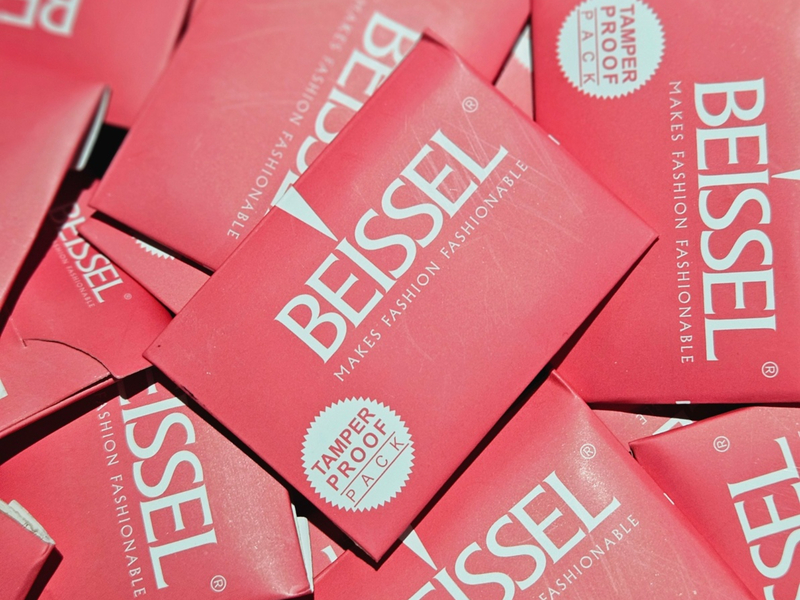
DB X 1 sewing machine needles are used in single-needle industrial lockstitch machines. This is one of the most widely used systems in garment manufacturing for general sewing operations, offering consistent stitch quality across a wide range of fabrics.
₹2,855.00
₹2,855.00
₹2,855.00
₹2,855.00
₹2,855.00
₹2,855.00
₹2,855.00
₹2,855.00
₹2,855.00
₹2,855.00
₹2,855.00
₹2,855.00
₹2,855.00
₹2,855.00
₹2,855.00
₹2,855.00
₹2,855.00
₹2,855.00
₹2,855.00
₹2,855.00
₹2,855.00
₹2,855.00
₹2,855.00
₹2,855.00
₹2,855.00
₹2,855.00
₹2,855.00
₹2,855.00
₹2,855.00
₹2,855.00
₹2,855.00
₹2,855.00
₹2,855.00
₹2,855.00
₹2,855.00
₹2,855.00
₹2,855.00
Log in for dealer pricing
Non-returnable
Out of stock Out of stock Out of stock Out of stock Out of stock Out of stock Out of stock Out of stock Out of stock Out of stock Out of stock Out of stock Out of stock Out of stock Out of stock Out of stock Out of stock Out of stock Out of stock Out of stock Out of stock Out of stock Out of stock Out of stock Out of stock Out of stock Out of stock Out of stock Out of stock Out of stock Out of stock Out of stock Out of stock Out of stock Out of stock Out of stock
size
Select size
point
Select point
No.of Needles Per Pack / Box
Select No.of Needles Per Pack / Box
Customize
[tag] QUALITY ASSURANCE || [title] Always Choose BIS, JIS or DIN Certified Needles || [text] These international standards define what a good needle must be. But certification alone is not enough — look for ISO certification too. ISO confirms the manufacturer has consistent systems in place to meet those standards every single time. That's your guarantee of a needle you can trust. || [tag] NEEDLE CONSTRUCTION || [title] Insist on a Milled Groove — Not a Pressed One || [text] The groove in a needle protects your thread during high-speed sewing. Milled grooves meet the precise depth and width required by standards. Beware of needles marketed as "Loop Control" or similar — these often use pressed grooves that fall short, leaving your thread exposed to fraying and breakage. || [tag] MACHINE SAFETY || [title] Cheap Needles Cost You Far More Than You Save || [text] Standards specify the wire quality a needle must be made from. Only the right wire gives you a sharp, long-lasting tip that won't bend or break. Cheap needles use inferior wire — and when they fail, they damage your throat plate, shuttle hook and other machine parts. The cost of repairs will far outweigh any saving on the needle. || [tag] BEST PRACTICE || [title] Change Your Needle Every Alternate Day || [text] Needles operate at temperatures exceeding 300°C and lose their tip shape over time. Perfect sewing depends on four things: needle, thread, machine and operator. The needle is the cheapest of these four — and the most critical. Replacing it regularly is not an expense; it's smart manufacturing. || [tag] NEEDLE SIZING || [title] Match the Needle Size to the Fabric — Always || [text] Don't default to Size 16/100 for everything. A size 100 needle is thicker and punches a larger hole — fine for denim, but it will visibly damage a men's dress shirt. For light fabrics, use Size 11/75. The right size needle preserves the fabric and elevates the finished garment. || [tag] LEGAL COMPLIANCE || [title] Buy Only from Brands That Follow Indian Law || [text] Under the Legal Metrology Act, every needle pack sold in India must declare the MRP and country of origin. If a pack omits this, it is breaking the law. A brand that violates Indian regulations cannot be trusted to uphold quality standards for Indian customers. Your supplier's integrity matters. || [tag] MACHINE MAINTENANCE || [title] Inspect Your Throat Plate and Shuttle Hook Regularly || [text] Worn or damaged components in the stitch-forming path are a direct cause of thread cuts and needle breakage. A quick routine check of the throat plate and shuttle hook catches damage early — before it disrupts production and wastes materials. || [tag] BOBBIN CARE || [title] A Properly Wound Bobbin Is Non-Negotiable || [text] An uneven bobbin will bulge as it spins and strike the needle on every rotation — causing skipped stitches, needle deflection and thread breakage. Before you begin sewing, always check that your bobbin is wound uniformly and sits flush in its case. || [tag] THREAD QUALITY || [title] Test Your Thread Before It Goes Into Your Machine || [text] Poor thread is a leading cause of skipped stitches. Here's a simple field test: cut about 60 cm of thread, hold both ends and let it hang freely. Quality thread will form a smooth, perfect "U" shape. If it kinks, twists or sags unevenly, it will cause problems in the machine. Don't compromise on thread. ||
[tag] QUALITY ASSURANCE || [title] Always Choose BIS, JIS or DIN Certified Needles || [text] These international standards define what a good needle must be. But certification alone is not enough — look for ISO certification too. ISO confirms the manufacturer has consistent systems in place to meet those standards every single time. That's your guarantee of a needle you can trust. || [tag] NEEDLE CONSTRUCTION || [title] Insist on a Milled Groove — Not a Pressed One || [text] The groove in a needle protects your thread during high-speed sewing. Milled grooves meet the precise depth and width required by standards. Beware of needles marketed as "Loop Control" or similar — these often use pressed grooves that fall short, leaving your thread exposed to fraying and breakage. || [tag] MACHINE SAFETY || [title] Cheap Needles Cost You Far More Than You Save || [text] Standards specify the wire quality a needle must be made from. Only the right wire gives you a sharp, long-lasting tip that won't bend or break. Cheap needles use inferior wire — and when they fail, they damage your throat plate, shuttle hook and other machine parts. The cost of repairs will far outweigh any saving on the needle. || [tag] BEST PRACTICE || [title] Change Your Needle Every Alternate Day || [text] Needles operate at temperatures exceeding 300°C and lose their tip shape over time. Perfect sewing depends on four things: needle, thread, machine and operator. The needle is the cheapest of these four — and the most critical. Replacing it regularly is not an expense; it's smart manufacturing. || [tag] NEEDLE SIZING || [title] Match the Needle Size to the Fabric — Always || [text] Don't default to Size 16/100 for everything. A size 100 needle is thicker and punches a larger hole — fine for denim, but it will visibly damage a men's dress shirt. For light fabrics, use Size 11/75. The right size needle preserves the fabric and elevates the finished garment. || [tag] LEGAL COMPLIANCE || [title] Buy Only from Brands That Follow Indian Law || [text] Under the Legal Metrology Act, every needle pack sold in India must declare the MRP and country of origin. If a pack omits this, it is breaking the law. A brand that violates Indian regulations cannot be trusted to uphold quality standards for Indian customers. Your supplier's integrity matters. || [tag] MACHINE MAINTENANCE || [title] Inspect Your Throat Plate and Shuttle Hook Regularly || [text] Worn or damaged components in the stitch-forming path are a direct cause of thread cuts and needle breakage. A quick routine check of the throat plate and shuttle hook catches damage early — before it disrupts production and wastes materials. || [tag] BOBBIN CARE || [title] A Properly Wound Bobbin Is Non-Negotiable || [text] An uneven bobbin will bulge as it spins and strike the needle on every rotation — causing skipped stitches, needle deflection and thread breakage. Before you begin sewing, always check that your bobbin is wound uniformly and sits flush in its case. || [tag] THREAD QUALITY || [title] Test Your Thread Before It Goes Into Your Machine || [text] Poor thread is a leading cause of skipped stitches. Here's a simple field test: cut about 60 cm of thread, hold both ends and let it hang freely. Quality thread will form a smooth, perfect "U" shape. If it kinks, twists or sags unevenly, it will cause problems in the machine. Don't compromise on thread. ||
[tag] QUALITY ASSURANCE || [title] Always Choose BIS, JIS or DIN Certified Needles || [text] These international standards define what a good needle must be. But certification alone is not enough — look for ISO certification too. ISO confirms the manufacturer has consistent systems in place to meet those standards every single time. That's your guarantee of a needle you can trust. || [tag] NEEDLE CONSTRUCTION || [title] Insist on a Milled Groove — Not a Pressed One || [text] The groove in a needle protects your thread during high-speed sewing. Milled grooves meet the precise depth and width required by standards. Beware of needles marketed as "Loop Control" or similar — these often use pressed grooves that fall short, leaving your thread exposed to fraying and breakage. || [tag] MACHINE SAFETY || [title] Cheap Needles Cost You Far More Than You Save || [text] Standards specify the wire quality a needle must be made from. Only the right wire gives you a sharp, long-lasting tip that won't bend or break. Cheap needles use inferior wire — and when they fail, they damage your throat plate, shuttle hook and other machine parts. The cost of repairs will far outweigh any saving on the needle. || [tag] BEST PRACTICE || [title] Change Your Needle Every Alternate Day || [text] Needles operate at temperatures exceeding 300°C and lose their tip shape over time. Perfect sewing depends on four things: needle, thread, machine and operator. The needle is the cheapest of these four — and the most critical. Replacing it regularly is not an expense; it's smart manufacturing. || [tag] NEEDLE SIZING || [title] Match the Needle Size to the Fabric — Always || [text] Don't default to Size 16/100 for everything. A size 100 needle is thicker and punches a larger hole — fine for denim, but it will visibly damage a men's dress shirt. For light fabrics, use Size 11/75. The right size needle preserves the fabric and elevates the finished garment. || [tag] LEGAL COMPLIANCE || [title] Buy Only from Brands That Follow Indian Law || [text] Under the Legal Metrology Act, every needle pack sold in India must declare the MRP and country of origin. If a pack omits this, it is breaking the law. A brand that violates Indian regulations cannot be trusted to uphold quality standards for Indian customers. Your supplier's integrity matters. || [tag] MACHINE MAINTENANCE || [title] Inspect Your Throat Plate and Shuttle Hook Regularly || [text] Worn or damaged components in the stitch-forming path are a direct cause of thread cuts and needle breakage. A quick routine check of the throat plate and shuttle hook catches damage early — before it disrupts production and wastes materials. || [tag] BOBBIN CARE || [title] A Properly Wound Bobbin Is Non-Negotiable || [text] An uneven bobbin will bulge as it spins and strike the needle on every rotation — causing skipped stitches, needle deflection and thread breakage. Before you begin sewing, always check that your bobbin is wound uniformly and sits flush in its case. || [tag] THREAD QUALITY || [title] Test Your Thread Before It Goes Into Your Machine || [text] Poor thread is a leading cause of skipped stitches. Here's a simple field test: cut about 60 cm of thread, hold both ends and let it hang freely. Quality thread will form a smooth, perfect "U" shape. If it kinks, twists or sags unevenly, it will cause problems in the machine. Don't compromise on thread. ||
[tag] QUALITY ASSURANCE || [title] Always Choose BIS, JIS or DIN Certified Needles || [text] These international standards define what a good needle must be. But certification alone is not enough — look for ISO certification too. ISO confirms the manufacturer has consistent systems in place to meet those standards every single time. That's your guarantee of a needle you can trust. || [tag] NEEDLE CONSTRUCTION || [title] Insist on a Milled Groove — Not a Pressed One || [text] The groove in a needle protects your thread during high-speed sewing. Milled grooves meet the precise depth and width required by standards. Beware of needles marketed as "Loop Control" or similar — these often use pressed grooves that fall short, leaving your thread exposed to fraying and breakage. || [tag] MACHINE SAFETY || [title] Cheap Needles Cost You Far More Than You Save || [text] Standards specify the wire quality a needle must be made from. Only the right wire gives you a sharp, long-lasting tip that won't bend or break. Cheap needles use inferior wire — and when they fail, they damage your throat plate, shuttle hook and other machine parts. The cost of repairs will far outweigh any saving on the needle. || [tag] BEST PRACTICE || [title] Change Your Needle Every Alternate Day || [text] Needles operate at temperatures exceeding 300°C and lose their tip shape over time. Perfect sewing depends on four things: needle, thread, machine and operator. The needle is the cheapest of these four — and the most critical. Replacing it regularly is not an expense; it's smart manufacturing. || [tag] NEEDLE SIZING || [title] Match the Needle Size to the Fabric — Always || [text] Don't default to Size 16/100 for everything. A size 100 needle is thicker and punches a larger hole — fine for denim, but it will visibly damage a men's dress shirt. For light fabrics, use Size 11/75. The right size needle preserves the fabric and elevates the finished garment. || [tag] LEGAL COMPLIANCE || [title] Buy Only from Brands That Follow Indian Law || [text] Under the Legal Metrology Act, every needle pack sold in India must declare the MRP and country of origin. If a pack omits this, it is breaking the law. A brand that violates Indian regulations cannot be trusted to uphold quality standards for Indian customers. Your supplier's integrity matters. || [tag] MACHINE MAINTENANCE || [title] Inspect Your Throat Plate and Shuttle Hook Regularly || [text] Worn or damaged components in the stitch-forming path are a direct cause of thread cuts and needle breakage. A quick routine check of the throat plate and shuttle hook catches damage early — before it disrupts production and wastes materials. || [tag] BOBBIN CARE || [title] A Properly Wound Bobbin Is Non-Negotiable || [text] An uneven bobbin will bulge as it spins and strike the needle on every rotation — causing skipped stitches, needle deflection and thread breakage. Before you begin sewing, always check that your bobbin is wound uniformly and sits flush in its case. || [tag] THREAD QUALITY || [title] Test Your Thread Before It Goes Into Your Machine || [text] Poor thread is a leading cause of skipped stitches. Here's a simple field test: cut about 60 cm of thread, hold both ends and let it hang freely. Quality thread will form a smooth, perfect "U" shape. If it kinks, twists or sags unevenly, it will cause problems in the machine. Don't compromise on thread. ||
[tag] QUALITY ASSURANCE || [title] Always Choose BIS, JIS or DIN Certified Needles || [text] These international standards define what a good needle must be. But certification alone is not enough — look for ISO certification too. ISO confirms the manufacturer has consistent systems in place to meet those standards every single time. That's your guarantee of a needle you can trust. || [tag] NEEDLE CONSTRUCTION || [title] Insist on a Milled Groove — Not a Pressed One || [text] The groove in a needle protects your thread during high-speed sewing. Milled grooves meet the precise depth and width required by standards. Beware of needles marketed as "Loop Control" or similar — these often use pressed grooves that fall short, leaving your thread exposed to fraying and breakage. || [tag] MACHINE SAFETY || [title] Cheap Needles Cost You Far More Than You Save || [text] Standards specify the wire quality a needle must be made from. Only the right wire gives you a sharp, long-lasting tip that won't bend or break. Cheap needles use inferior wire — and when they fail, they damage your throat plate, shuttle hook and other machine parts. The cost of repairs will far outweigh any saving on the needle. || [tag] BEST PRACTICE || [title] Change Your Needle Every Alternate Day || [text] Needles operate at temperatures exceeding 300°C and lose their tip shape over time. Perfect sewing depends on four things: needle, thread, machine and operator. The needle is the cheapest of these four — and the most critical. Replacing it regularly is not an expense; it's smart manufacturing. || [tag] NEEDLE SIZING || [title] Match the Needle Size to the Fabric — Always || [text] Don't default to Size 16/100 for everything. A size 100 needle is thicker and punches a larger hole — fine for denim, but it will visibly damage a men's dress shirt. For light fabrics, use Size 11/75. The right size needle preserves the fabric and elevates the finished garment. || [tag] LEGAL COMPLIANCE || [title] Buy Only from Brands That Follow Indian Law || [text] Under the Legal Metrology Act, every needle pack sold in India must declare the MRP and country of origin. If a pack omits this, it is breaking the law. A brand that violates Indian regulations cannot be trusted to uphold quality standards for Indian customers. Your supplier's integrity matters. || [tag] MACHINE MAINTENANCE || [title] Inspect Your Throat Plate and Shuttle Hook Regularly || [text] Worn or damaged components in the stitch-forming path are a direct cause of thread cuts and needle breakage. A quick routine check of the throat plate and shuttle hook catches damage early — before it disrupts production and wastes materials. || [tag] BOBBIN CARE || [title] A Properly Wound Bobbin Is Non-Negotiable || [text] An uneven bobbin will bulge as it spins and strike the needle on every rotation — causing skipped stitches, needle deflection and thread breakage. Before you begin sewing, always check that your bobbin is wound uniformly and sits flush in its case. || [tag] THREAD QUALITY || [title] Test Your Thread Before It Goes Into Your Machine || [text] Poor thread is a leading cause of skipped stitches. Here's a simple field test: cut about 60 cm of thread, hold both ends and let it hang freely. Quality thread will form a smooth, perfect "U" shape. If it kinks, twists or sags unevenly, it will cause problems in the machine. Don't compromise on thread. ||
[tag] QUALITY ASSURANCE || [title] Always Choose BIS, JIS or DIN Certified Needles || [text] These international standards define what a good needle must be. But certification alone is not enough — look for ISO certification too. ISO confirms the manufacturer has consistent systems in place to meet those standards every single time. That's your guarantee of a needle you can trust. || [tag] NEEDLE CONSTRUCTION || [title] Insist on a Milled Groove — Not a Pressed One || [text] The groove in a needle protects your thread during high-speed sewing. Milled grooves meet the precise depth and width required by standards. Beware of needles marketed as "Loop Control" or similar — these often use pressed grooves that fall short, leaving your thread exposed to fraying and breakage. || [tag] MACHINE SAFETY || [title] Cheap Needles Cost You Far More Than You Save || [text] Standards specify the wire quality a needle must be made from. Only the right wire gives you a sharp, long-lasting tip that won't bend or break. Cheap needles use inferior wire — and when they fail, they damage your throat plate, shuttle hook and other machine parts. The cost of repairs will far outweigh any saving on the needle. || [tag] BEST PRACTICE || [title] Change Your Needle Every Alternate Day || [text] Needles operate at temperatures exceeding 300°C and lose their tip shape over time. Perfect sewing depends on four things: needle, thread, machine and operator. The needle is the cheapest of these four — and the most critical. Replacing it regularly is not an expense; it's smart manufacturing. || [tag] NEEDLE SIZING || [title] Match the Needle Size to the Fabric — Always || [text] Don't default to Size 16/100 for everything. A size 100 needle is thicker and punches a larger hole — fine for denim, but it will visibly damage a men's dress shirt. For light fabrics, use Size 11/75. The right size needle preserves the fabric and elevates the finished garment. || [tag] LEGAL COMPLIANCE || [title] Buy Only from Brands That Follow Indian Law || [text] Under the Legal Metrology Act, every needle pack sold in India must declare the MRP and country of origin. If a pack omits this, it is breaking the law. A brand that violates Indian regulations cannot be trusted to uphold quality standards for Indian customers. Your supplier's integrity matters. || [tag] MACHINE MAINTENANCE || [title] Inspect Your Throat Plate and Shuttle Hook Regularly || [text] Worn or damaged components in the stitch-forming path are a direct cause of thread cuts and needle breakage. A quick routine check of the throat plate and shuttle hook catches damage early — before it disrupts production and wastes materials. || [tag] BOBBIN CARE || [title] A Properly Wound Bobbin Is Non-Negotiable || [text] An uneven bobbin will bulge as it spins and strike the needle on every rotation — causing skipped stitches, needle deflection and thread breakage. Before you begin sewing, always check that your bobbin is wound uniformly and sits flush in its case. || [tag] THREAD QUALITY || [title] Test Your Thread Before It Goes Into Your Machine || [text] Poor thread is a leading cause of skipped stitches. Here's a simple field test: cut about 60 cm of thread, hold both ends and let it hang freely. Quality thread will form a smooth, perfect "U" shape. If it kinks, twists or sags unevenly, it will cause problems in the machine. Don't compromise on thread. ||
[tag] QUALITY ASSURANCE || [title] Always Choose BIS, JIS or DIN Certified Needles || [text] These international standards define what a good needle must be. But certification alone is not enough — look for ISO certification too. ISO confirms the manufacturer has consistent systems in place to meet those standards every single time. That's your guarantee of a needle you can trust. || [tag] NEEDLE CONSTRUCTION || [title] Insist on a Milled Groove — Not a Pressed One || [text] The groove in a needle protects your thread during high-speed sewing. Milled grooves meet the precise depth and width required by standards. Beware of needles marketed as "Loop Control" or similar — these often use pressed grooves that fall short, leaving your thread exposed to fraying and breakage. || [tag] MACHINE SAFETY || [title] Cheap Needles Cost You Far More Than You Save || [text] Standards specify the wire quality a needle must be made from. Only the right wire gives you a sharp, long-lasting tip that won't bend or break. Cheap needles use inferior wire — and when they fail, they damage your throat plate, shuttle hook and other machine parts. The cost of repairs will far outweigh any saving on the needle. || [tag] BEST PRACTICE || [title] Change Your Needle Every Alternate Day || [text] Needles operate at temperatures exceeding 300°C and lose their tip shape over time. Perfect sewing depends on four things: needle, thread, machine and operator. The needle is the cheapest of these four — and the most critical. Replacing it regularly is not an expense; it's smart manufacturing. || [tag] NEEDLE SIZING || [title] Match the Needle Size to the Fabric — Always || [text] Don't default to Size 16/100 for everything. A size 100 needle is thicker and punches a larger hole — fine for denim, but it will visibly damage a men's dress shirt. For light fabrics, use Size 11/75. The right size needle preserves the fabric and elevates the finished garment. || [tag] LEGAL COMPLIANCE || [title] Buy Only from Brands That Follow Indian Law || [text] Under the Legal Metrology Act, every needle pack sold in India must declare the MRP and country of origin. If a pack omits this, it is breaking the law. A brand that violates Indian regulations cannot be trusted to uphold quality standards for Indian customers. Your supplier's integrity matters. || [tag] MACHINE MAINTENANCE || [title] Inspect Your Throat Plate and Shuttle Hook Regularly || [text] Worn or damaged components in the stitch-forming path are a direct cause of thread cuts and needle breakage. A quick routine check of the throat plate and shuttle hook catches damage early — before it disrupts production and wastes materials. || [tag] BOBBIN CARE || [title] A Properly Wound Bobbin Is Non-Negotiable || [text] An uneven bobbin will bulge as it spins and strike the needle on every rotation — causing skipped stitches, needle deflection and thread breakage. Before you begin sewing, always check that your bobbin is wound uniformly and sits flush in its case. || [tag] THREAD QUALITY || [title] Test Your Thread Before It Goes Into Your Machine || [text] Poor thread is a leading cause of skipped stitches. Here's a simple field test: cut about 60 cm of thread, hold both ends and let it hang freely. Quality thread will form a smooth, perfect "U" shape. If it kinks, twists or sags unevenly, it will cause problems in the machine. Don't compromise on thread. ||
[tag] QUALITY ASSURANCE || [title] Always Choose BIS, JIS or DIN Certified Needles || [text] These international standards define what a good needle must be. But certification alone is not enough — look for ISO certification too. ISO confirms the manufacturer has consistent systems in place to meet those standards every single time. That's your guarantee of a needle you can trust. || [tag] NEEDLE CONSTRUCTION || [title] Insist on a Milled Groove — Not a Pressed One || [text] The groove in a needle protects your thread during high-speed sewing. Milled grooves meet the precise depth and width required by standards. Beware of needles marketed as "Loop Control" or similar — these often use pressed grooves that fall short, leaving your thread exposed to fraying and breakage. || [tag] MACHINE SAFETY || [title] Cheap Needles Cost You Far More Than You Save || [text] Standards specify the wire quality a needle must be made from. Only the right wire gives you a sharp, long-lasting tip that won't bend or break. Cheap needles use inferior wire — and when they fail, they damage your throat plate, shuttle hook and other machine parts. The cost of repairs will far outweigh any saving on the needle. || [tag] BEST PRACTICE || [title] Change Your Needle Every Alternate Day || [text] Needles operate at temperatures exceeding 300°C and lose their tip shape over time. Perfect sewing depends on four things: needle, thread, machine and operator. The needle is the cheapest of these four — and the most critical. Replacing it regularly is not an expense; it's smart manufacturing. || [tag] NEEDLE SIZING || [title] Match the Needle Size to the Fabric — Always || [text] Don't default to Size 16/100 for everything. A size 100 needle is thicker and punches a larger hole — fine for denim, but it will visibly damage a men's dress shirt. For light fabrics, use Size 11/75. The right size needle preserves the fabric and elevates the finished garment. || [tag] LEGAL COMPLIANCE || [title] Buy Only from Brands That Follow Indian Law || [text] Under the Legal Metrology Act, every needle pack sold in India must declare the MRP and country of origin. If a pack omits this, it is breaking the law. A brand that violates Indian regulations cannot be trusted to uphold quality standards for Indian customers. Your supplier's integrity matters. || [tag] MACHINE MAINTENANCE || [title] Inspect Your Throat Plate and Shuttle Hook Regularly || [text] Worn or damaged components in the stitch-forming path are a direct cause of thread cuts and needle breakage. A quick routine check of the throat plate and shuttle hook catches damage early — before it disrupts production and wastes materials. || [tag] BOBBIN CARE || [title] A Properly Wound Bobbin Is Non-Negotiable || [text] An uneven bobbin will bulge as it spins and strike the needle on every rotation — causing skipped stitches, needle deflection and thread breakage. Before you begin sewing, always check that your bobbin is wound uniformly and sits flush in its case. || [tag] THREAD QUALITY || [title] Test Your Thread Before It Goes Into Your Machine || [text] Poor thread is a leading cause of skipped stitches. Here's a simple field test: cut about 60 cm of thread, hold both ends and let it hang freely. Quality thread will form a smooth, perfect "U" shape. If it kinks, twists or sags unevenly, it will cause problems in the machine. Don't compromise on thread. ||
[tag] QUALITY ASSURANCE || [title] Always Choose BIS, JIS or DIN Certified Needles || [text] These international standards define what a good needle must be. But certification alone is not enough — look for ISO certification too. ISO confirms the manufacturer has consistent systems in place to meet those standards every single time. That's your guarantee of a needle you can trust. || [tag] NEEDLE CONSTRUCTION || [title] Insist on a Milled Groove — Not a Pressed One || [text] The groove in a needle protects your thread during high-speed sewing. Milled grooves meet the precise depth and width required by standards. Beware of needles marketed as "Loop Control" or similar — these often use pressed grooves that fall short, leaving your thread exposed to fraying and breakage. || [tag] MACHINE SAFETY || [title] Cheap Needles Cost You Far More Than You Save || [text] Standards specify the wire quality a needle must be made from. Only the right wire gives you a sharp, long-lasting tip that won't bend or break. Cheap needles use inferior wire — and when they fail, they damage your throat plate, shuttle hook and other machine parts. The cost of repairs will far outweigh any saving on the needle. || [tag] BEST PRACTICE || [title] Change Your Needle Every Alternate Day || [text] Needles operate at temperatures exceeding 300°C and lose their tip shape over time. Perfect sewing depends on four things: needle, thread, machine and operator. The needle is the cheapest of these four — and the most critical. Replacing it regularly is not an expense; it's smart manufacturing. || [tag] NEEDLE SIZING || [title] Match the Needle Size to the Fabric — Always || [text] Don't default to Size 16/100 for everything. A size 100 needle is thicker and punches a larger hole — fine for denim, but it will visibly damage a men's dress shirt. For light fabrics, use Size 11/75. The right size needle preserves the fabric and elevates the finished garment. || [tag] LEGAL COMPLIANCE || [title] Buy Only from Brands That Follow Indian Law || [text] Under the Legal Metrology Act, every needle pack sold in India must declare the MRP and country of origin. If a pack omits this, it is breaking the law. A brand that violates Indian regulations cannot be trusted to uphold quality standards for Indian customers. Your supplier's integrity matters. || [tag] MACHINE MAINTENANCE || [title] Inspect Your Throat Plate and Shuttle Hook Regularly || [text] Worn or damaged components in the stitch-forming path are a direct cause of thread cuts and needle breakage. A quick routine check of the throat plate and shuttle hook catches damage early — before it disrupts production and wastes materials. || [tag] BOBBIN CARE || [title] A Properly Wound Bobbin Is Non-Negotiable || [text] An uneven bobbin will bulge as it spins and strike the needle on every rotation — causing skipped stitches, needle deflection and thread breakage. Before you begin sewing, always check that your bobbin is wound uniformly and sits flush in its case. || [tag] THREAD QUALITY || [title] Test Your Thread Before It Goes Into Your Machine || [text] Poor thread is a leading cause of skipped stitches. Here's a simple field test: cut about 60 cm of thread, hold both ends and let it hang freely. Quality thread will form a smooth, perfect "U" shape. If it kinks, twists or sags unevenly, it will cause problems in the machine. Don't compromise on thread. ||
[tag] QUALITY ASSURANCE || [title] Always Choose BIS, JIS or DIN Certified Needles || [text] These international standards define what a good needle must be. But certification alone is not enough — look for ISO certification too. ISO confirms the manufacturer has consistent systems in place to meet those standards every single time. That's your guarantee of a needle you can trust. || [tag] NEEDLE CONSTRUCTION || [title] Insist on a Milled Groove — Not a Pressed One || [text] The groove in a needle protects your thread during high-speed sewing. Milled grooves meet the precise depth and width required by standards. Beware of needles marketed as "Loop Control" or similar — these often use pressed grooves that fall short, leaving your thread exposed to fraying and breakage. || [tag] MACHINE SAFETY || [title] Cheap Needles Cost You Far More Than You Save || [text] Standards specify the wire quality a needle must be made from. Only the right wire gives you a sharp, long-lasting tip that won't bend or break. Cheap needles use inferior wire — and when they fail, they damage your throat plate, shuttle hook and other machine parts. The cost of repairs will far outweigh any saving on the needle. || [tag] BEST PRACTICE || [title] Change Your Needle Every Alternate Day || [text] Needles operate at temperatures exceeding 300°C and lose their tip shape over time. Perfect sewing depends on four things: needle, thread, machine and operator. The needle is the cheapest of these four — and the most critical. Replacing it regularly is not an expense; it's smart manufacturing. || [tag] NEEDLE SIZING || [title] Match the Needle Size to the Fabric — Always || [text] Don't default to Size 16/100 for everything. A size 100 needle is thicker and punches a larger hole — fine for denim, but it will visibly damage a men's dress shirt. For light fabrics, use Size 11/75. The right size needle preserves the fabric and elevates the finished garment. || [tag] LEGAL COMPLIANCE || [title] Buy Only from Brands That Follow Indian Law || [text] Under the Legal Metrology Act, every needle pack sold in India must declare the MRP and country of origin. If a pack omits this, it is breaking the law. A brand that violates Indian regulations cannot be trusted to uphold quality standards for Indian customers. Your supplier's integrity matters. || [tag] MACHINE MAINTENANCE || [title] Inspect Your Throat Plate and Shuttle Hook Regularly || [text] Worn or damaged components in the stitch-forming path are a direct cause of thread cuts and needle breakage. A quick routine check of the throat plate and shuttle hook catches damage early — before it disrupts production and wastes materials. || [tag] BOBBIN CARE || [title] A Properly Wound Bobbin Is Non-Negotiable || [text] An uneven bobbin will bulge as it spins and strike the needle on every rotation — causing skipped stitches, needle deflection and thread breakage. Before you begin sewing, always check that your bobbin is wound uniformly and sits flush in its case. || [tag] THREAD QUALITY || [title] Test Your Thread Before It Goes Into Your Machine || [text] Poor thread is a leading cause of skipped stitches. Here's a simple field test: cut about 60 cm of thread, hold both ends and let it hang freely. Quality thread will form a smooth, perfect "U" shape. If it kinks, twists or sags unevenly, it will cause problems in the machine. Don't compromise on thread. ||
[tag] QUALITY ASSURANCE || [title] Always Choose BIS, JIS or DIN Certified Needles || [text] These international standards define what a good needle must be. But certification alone is not enough — look for ISO certification too. ISO confirms the manufacturer has consistent systems in place to meet those standards every single time. That's your guarantee of a needle you can trust. || [tag] NEEDLE CONSTRUCTION || [title] Insist on a Milled Groove — Not a Pressed One || [text] The groove in a needle protects your thread during high-speed sewing. Milled grooves meet the precise depth and width required by standards. Beware of needles marketed as "Loop Control" or similar — these often use pressed grooves that fall short, leaving your thread exposed to fraying and breakage. || [tag] MACHINE SAFETY || [title] Cheap Needles Cost You Far More Than You Save || [text] Standards specify the wire quality a needle must be made from. Only the right wire gives you a sharp, long-lasting tip that won't bend or break. Cheap needles use inferior wire — and when they fail, they damage your throat plate, shuttle hook and other machine parts. The cost of repairs will far outweigh any saving on the needle. || [tag] BEST PRACTICE || [title] Change Your Needle Every Alternate Day || [text] Needles operate at temperatures exceeding 300°C and lose their tip shape over time. Perfect sewing depends on four things: needle, thread, machine and operator. The needle is the cheapest of these four — and the most critical. Replacing it regularly is not an expense; it's smart manufacturing. || [tag] NEEDLE SIZING || [title] Match the Needle Size to the Fabric — Always || [text] Don't default to Size 16/100 for everything. A size 100 needle is thicker and punches a larger hole — fine for denim, but it will visibly damage a men's dress shirt. For light fabrics, use Size 11/75. The right size needle preserves the fabric and elevates the finished garment. || [tag] LEGAL COMPLIANCE || [title] Buy Only from Brands That Follow Indian Law || [text] Under the Legal Metrology Act, every needle pack sold in India must declare the MRP and country of origin. If a pack omits this, it is breaking the law. A brand that violates Indian regulations cannot be trusted to uphold quality standards for Indian customers. Your supplier's integrity matters. || [tag] MACHINE MAINTENANCE || [title] Inspect Your Throat Plate and Shuttle Hook Regularly || [text] Worn or damaged components in the stitch-forming path are a direct cause of thread cuts and needle breakage. A quick routine check of the throat plate and shuttle hook catches damage early — before it disrupts production and wastes materials. || [tag] BOBBIN CARE || [title] A Properly Wound Bobbin Is Non-Negotiable || [text] An uneven bobbin will bulge as it spins and strike the needle on every rotation — causing skipped stitches, needle deflection and thread breakage. Before you begin sewing, always check that your bobbin is wound uniformly and sits flush in its case. || [tag] THREAD QUALITY || [title] Test Your Thread Before It Goes Into Your Machine || [text] Poor thread is a leading cause of skipped stitches. Here's a simple field test: cut about 60 cm of thread, hold both ends and let it hang freely. Quality thread will form a smooth, perfect "U" shape. If it kinks, twists or sags unevenly, it will cause problems in the machine. Don't compromise on thread. ||
[tag] QUALITY ASSURANCE || [title] Always Choose BIS, JIS or DIN Certified Needles || [text] These international standards define what a good needle must be. But certification alone is not enough — look for ISO certification too. ISO confirms the manufacturer has consistent systems in place to meet those standards every single time. That's your guarantee of a needle you can trust. || [tag] NEEDLE CONSTRUCTION || [title] Insist on a Milled Groove — Not a Pressed One || [text] The groove in a needle protects your thread during high-speed sewing. Milled grooves meet the precise depth and width required by standards. Beware of needles marketed as "Loop Control" or similar — these often use pressed grooves that fall short, leaving your thread exposed to fraying and breakage. || [tag] MACHINE SAFETY || [title] Cheap Needles Cost You Far More Than You Save || [text] Standards specify the wire quality a needle must be made from. Only the right wire gives you a sharp, long-lasting tip that won't bend or break. Cheap needles use inferior wire — and when they fail, they damage your throat plate, shuttle hook and other machine parts. The cost of repairs will far outweigh any saving on the needle. || [tag] BEST PRACTICE || [title] Change Your Needle Every Alternate Day || [text] Needles operate at temperatures exceeding 300°C and lose their tip shape over time. Perfect sewing depends on four things: needle, thread, machine and operator. The needle is the cheapest of these four — and the most critical. Replacing it regularly is not an expense; it's smart manufacturing. || [tag] NEEDLE SIZING || [title] Match the Needle Size to the Fabric — Always || [text] Don't default to Size 16/100 for everything. A size 100 needle is thicker and punches a larger hole — fine for denim, but it will visibly damage a men's dress shirt. For light fabrics, use Size 11/75. The right size needle preserves the fabric and elevates the finished garment. || [tag] LEGAL COMPLIANCE || [title] Buy Only from Brands That Follow Indian Law || [text] Under the Legal Metrology Act, every needle pack sold in India must declare the MRP and country of origin. If a pack omits this, it is breaking the law. A brand that violates Indian regulations cannot be trusted to uphold quality standards for Indian customers. Your supplier's integrity matters. || [tag] MACHINE MAINTENANCE || [title] Inspect Your Throat Plate and Shuttle Hook Regularly || [text] Worn or damaged components in the stitch-forming path are a direct cause of thread cuts and needle breakage. A quick routine check of the throat plate and shuttle hook catches damage early — before it disrupts production and wastes materials. || [tag] BOBBIN CARE || [title] A Properly Wound Bobbin Is Non-Negotiable || [text] An uneven bobbin will bulge as it spins and strike the needle on every rotation — causing skipped stitches, needle deflection and thread breakage. Before you begin sewing, always check that your bobbin is wound uniformly and sits flush in its case. || [tag] THREAD QUALITY || [title] Test Your Thread Before It Goes Into Your Machine || [text] Poor thread is a leading cause of skipped stitches. Here's a simple field test: cut about 60 cm of thread, hold both ends and let it hang freely. Quality thread will form a smooth, perfect "U" shape. If it kinks, twists or sags unevenly, it will cause problems in the machine. Don't compromise on thread. ||
[tag] QUALITY ASSURANCE || [title] Always Choose BIS, JIS or DIN Certified Needles || [text] These international standards define what a good needle must be. But certification alone is not enough — look for ISO certification too. ISO confirms the manufacturer has consistent systems in place to meet those standards every single time. That's your guarantee of a needle you can trust. || [tag] NEEDLE CONSTRUCTION || [title] Insist on a Milled Groove — Not a Pressed One || [text] The groove in a needle protects your thread during high-speed sewing. Milled grooves meet the precise depth and width required by standards. Beware of needles marketed as "Loop Control" or similar — these often use pressed grooves that fall short, leaving your thread exposed to fraying and breakage. || [tag] MACHINE SAFETY || [title] Cheap Needles Cost You Far More Than You Save || [text] Standards specify the wire quality a needle must be made from. Only the right wire gives you a sharp, long-lasting tip that won't bend or break. Cheap needles use inferior wire — and when they fail, they damage your throat plate, shuttle hook and other machine parts. The cost of repairs will far outweigh any saving on the needle. || [tag] BEST PRACTICE || [title] Change Your Needle Every Alternate Day || [text] Needles operate at temperatures exceeding 300°C and lose their tip shape over time. Perfect sewing depends on four things: needle, thread, machine and operator. The needle is the cheapest of these four — and the most critical. Replacing it regularly is not an expense; it's smart manufacturing. || [tag] NEEDLE SIZING || [title] Match the Needle Size to the Fabric — Always || [text] Don't default to Size 16/100 for everything. A size 100 needle is thicker and punches a larger hole — fine for denim, but it will visibly damage a men's dress shirt. For light fabrics, use Size 11/75. The right size needle preserves the fabric and elevates the finished garment. || [tag] LEGAL COMPLIANCE || [title] Buy Only from Brands That Follow Indian Law || [text] Under the Legal Metrology Act, every needle pack sold in India must declare the MRP and country of origin. If a pack omits this, it is breaking the law. A brand that violates Indian regulations cannot be trusted to uphold quality standards for Indian customers. Your supplier's integrity matters. || [tag] MACHINE MAINTENANCE || [title] Inspect Your Throat Plate and Shuttle Hook Regularly || [text] Worn or damaged components in the stitch-forming path are a direct cause of thread cuts and needle breakage. A quick routine check of the throat plate and shuttle hook catches damage early — before it disrupts production and wastes materials. || [tag] BOBBIN CARE || [title] A Properly Wound Bobbin Is Non-Negotiable || [text] An uneven bobbin will bulge as it spins and strike the needle on every rotation — causing skipped stitches, needle deflection and thread breakage. Before you begin sewing, always check that your bobbin is wound uniformly and sits flush in its case. || [tag] THREAD QUALITY || [title] Test Your Thread Before It Goes Into Your Machine || [text] Poor thread is a leading cause of skipped stitches. Here's a simple field test: cut about 60 cm of thread, hold both ends and let it hang freely. Quality thread will form a smooth, perfect "U" shape. If it kinks, twists or sags unevenly, it will cause problems in the machine. Don't compromise on thread. ||
[tag] QUALITY ASSURANCE || [title] Always Choose BIS, JIS or DIN Certified Needles || [text] These international standards define what a good needle must be. But certification alone is not enough — look for ISO certification too. ISO confirms the manufacturer has consistent systems in place to meet those standards every single time. That's your guarantee of a needle you can trust. || [tag] NEEDLE CONSTRUCTION || [title] Insist on a Milled Groove — Not a Pressed One || [text] The groove in a needle protects your thread during high-speed sewing. Milled grooves meet the precise depth and width required by standards. Beware of needles marketed as "Loop Control" or similar — these often use pressed grooves that fall short, leaving your thread exposed to fraying and breakage. || [tag] MACHINE SAFETY || [title] Cheap Needles Cost You Far More Than You Save || [text] Standards specify the wire quality a needle must be made from. Only the right wire gives you a sharp, long-lasting tip that won't bend or break. Cheap needles use inferior wire — and when they fail, they damage your throat plate, shuttle hook and other machine parts. The cost of repairs will far outweigh any saving on the needle. || [tag] BEST PRACTICE || [title] Change Your Needle Every Alternate Day || [text] Needles operate at temperatures exceeding 300°C and lose their tip shape over time. Perfect sewing depends on four things: needle, thread, machine and operator. The needle is the cheapest of these four — and the most critical. Replacing it regularly is not an expense; it's smart manufacturing. || [tag] NEEDLE SIZING || [title] Match the Needle Size to the Fabric — Always || [text] Don't default to Size 16/100 for everything. A size 100 needle is thicker and punches a larger hole — fine for denim, but it will visibly damage a men's dress shirt. For light fabrics, use Size 11/75. The right size needle preserves the fabric and elevates the finished garment. || [tag] LEGAL COMPLIANCE || [title] Buy Only from Brands That Follow Indian Law || [text] Under the Legal Metrology Act, every needle pack sold in India must declare the MRP and country of origin. If a pack omits this, it is breaking the law. A brand that violates Indian regulations cannot be trusted to uphold quality standards for Indian customers. Your supplier's integrity matters. || [tag] MACHINE MAINTENANCE || [title] Inspect Your Throat Plate and Shuttle Hook Regularly || [text] Worn or damaged components in the stitch-forming path are a direct cause of thread cuts and needle breakage. A quick routine check of the throat plate and shuttle hook catches damage early — before it disrupts production and wastes materials. || [tag] BOBBIN CARE || [title] A Properly Wound Bobbin Is Non-Negotiable || [text] An uneven bobbin will bulge as it spins and strike the needle on every rotation — causing skipped stitches, needle deflection and thread breakage. Before you begin sewing, always check that your bobbin is wound uniformly and sits flush in its case. || [tag] THREAD QUALITY || [title] Test Your Thread Before It Goes Into Your Machine || [text] Poor thread is a leading cause of skipped stitches. Here's a simple field test: cut about 60 cm of thread, hold both ends and let it hang freely. Quality thread will form a smooth, perfect "U" shape. If it kinks, twists or sags unevenly, it will cause problems in the machine. Don't compromise on thread. ||
[tag] QUALITY ASSURANCE || [title] Always Choose BIS, JIS or DIN Certified Needles || [text] These international standards define what a good needle must be. But certification alone is not enough — look for ISO certification too. ISO confirms the manufacturer has consistent systems in place to meet those standards every single time. That's your guarantee of a needle you can trust. || [tag] NEEDLE CONSTRUCTION || [title] Insist on a Milled Groove — Not a Pressed One || [text] The groove in a needle protects your thread during high-speed sewing. Milled grooves meet the precise depth and width required by standards. Beware of needles marketed as "Loop Control" or similar — these often use pressed grooves that fall short, leaving your thread exposed to fraying and breakage. || [tag] MACHINE SAFETY || [title] Cheap Needles Cost You Far More Than You Save || [text] Standards specify the wire quality a needle must be made from. Only the right wire gives you a sharp, long-lasting tip that won't bend or break. Cheap needles use inferior wire — and when they fail, they damage your throat plate, shuttle hook and other machine parts. The cost of repairs will far outweigh any saving on the needle. || [tag] BEST PRACTICE || [title] Change Your Needle Every Alternate Day || [text] Needles operate at temperatures exceeding 300°C and lose their tip shape over time. Perfect sewing depends on four things: needle, thread, machine and operator. The needle is the cheapest of these four — and the most critical. Replacing it regularly is not an expense; it's smart manufacturing. || [tag] NEEDLE SIZING || [title] Match the Needle Size to the Fabric — Always || [text] Don't default to Size 16/100 for everything. A size 100 needle is thicker and punches a larger hole — fine for denim, but it will visibly damage a men's dress shirt. For light fabrics, use Size 11/75. The right size needle preserves the fabric and elevates the finished garment. || [tag] LEGAL COMPLIANCE || [title] Buy Only from Brands That Follow Indian Law || [text] Under the Legal Metrology Act, every needle pack sold in India must declare the MRP and country of origin. If a pack omits this, it is breaking the law. A brand that violates Indian regulations cannot be trusted to uphold quality standards for Indian customers. Your supplier's integrity matters. || [tag] MACHINE MAINTENANCE || [title] Inspect Your Throat Plate and Shuttle Hook Regularly || [text] Worn or damaged components in the stitch-forming path are a direct cause of thread cuts and needle breakage. A quick routine check of the throat plate and shuttle hook catches damage early — before it disrupts production and wastes materials. || [tag] BOBBIN CARE || [title] A Properly Wound Bobbin Is Non-Negotiable || [text] An uneven bobbin will bulge as it spins and strike the needle on every rotation — causing skipped stitches, needle deflection and thread breakage. Before you begin sewing, always check that your bobbin is wound uniformly and sits flush in its case. || [tag] THREAD QUALITY || [title] Test Your Thread Before It Goes Into Your Machine || [text] Poor thread is a leading cause of skipped stitches. Here's a simple field test: cut about 60 cm of thread, hold both ends and let it hang freely. Quality thread will form a smooth, perfect "U" shape. If it kinks, twists or sags unevenly, it will cause problems in the machine. Don't compromise on thread. ||
[tag] QUALITY ASSURANCE || [title] Always Choose BIS, JIS or DIN Certified Needles || [text] These international standards define what a good needle must be. But certification alone is not enough — look for ISO certification too. ISO confirms the manufacturer has consistent systems in place to meet those standards every single time. That's your guarantee of a needle you can trust. || [tag] NEEDLE CONSTRUCTION || [title] Insist on a Milled Groove — Not a Pressed One || [text] The groove in a needle protects your thread during high-speed sewing. Milled grooves meet the precise depth and width required by standards. Beware of needles marketed as "Loop Control" or similar — these often use pressed grooves that fall short, leaving your thread exposed to fraying and breakage. || [tag] MACHINE SAFETY || [title] Cheap Needles Cost You Far More Than You Save || [text] Standards specify the wire quality a needle must be made from. Only the right wire gives you a sharp, long-lasting tip that won't bend or break. Cheap needles use inferior wire — and when they fail, they damage your throat plate, shuttle hook and other machine parts. The cost of repairs will far outweigh any saving on the needle. || [tag] BEST PRACTICE || [title] Change Your Needle Every Alternate Day || [text] Needles operate at temperatures exceeding 300°C and lose their tip shape over time. Perfect sewing depends on four things: needle, thread, machine and operator. The needle is the cheapest of these four — and the most critical. Replacing it regularly is not an expense; it's smart manufacturing. || [tag] NEEDLE SIZING || [title] Match the Needle Size to the Fabric — Always || [text] Don't default to Size 16/100 for everything. A size 100 needle is thicker and punches a larger hole — fine for denim, but it will visibly damage a men's dress shirt. For light fabrics, use Size 11/75. The right size needle preserves the fabric and elevates the finished garment. || [tag] LEGAL COMPLIANCE || [title] Buy Only from Brands That Follow Indian Law || [text] Under the Legal Metrology Act, every needle pack sold in India must declare the MRP and country of origin. If a pack omits this, it is breaking the law. A brand that violates Indian regulations cannot be trusted to uphold quality standards for Indian customers. Your supplier's integrity matters. || [tag] MACHINE MAINTENANCE || [title] Inspect Your Throat Plate and Shuttle Hook Regularly || [text] Worn or damaged components in the stitch-forming path are a direct cause of thread cuts and needle breakage. A quick routine check of the throat plate and shuttle hook catches damage early — before it disrupts production and wastes materials. || [tag] BOBBIN CARE || [title] A Properly Wound Bobbin Is Non-Negotiable || [text] An uneven bobbin will bulge as it spins and strike the needle on every rotation — causing skipped stitches, needle deflection and thread breakage. Before you begin sewing, always check that your bobbin is wound uniformly and sits flush in its case. || [tag] THREAD QUALITY || [title] Test Your Thread Before It Goes Into Your Machine || [text] Poor thread is a leading cause of skipped stitches. Here's a simple field test: cut about 60 cm of thread, hold both ends and let it hang freely. Quality thread will form a smooth, perfect "U" shape. If it kinks, twists or sags unevenly, it will cause problems in the machine. Don't compromise on thread. ||
[tag] QUALITY ASSURANCE || [title] Always Choose BIS, JIS or DIN Certified Needles || [text] These international standards define what a good needle must be. But certification alone is not enough — look for ISO certification too. ISO confirms the manufacturer has consistent systems in place to meet those standards every single time. That's your guarantee of a needle you can trust. || [tag] NEEDLE CONSTRUCTION || [title] Insist on a Milled Groove — Not a Pressed One || [text] The groove in a needle protects your thread during high-speed sewing. Milled grooves meet the precise depth and width required by standards. Beware of needles marketed as "Loop Control" or similar — these often use pressed grooves that fall short, leaving your thread exposed to fraying and breakage. || [tag] MACHINE SAFETY || [title] Cheap Needles Cost You Far More Than You Save || [text] Standards specify the wire quality a needle must be made from. Only the right wire gives you a sharp, long-lasting tip that won't bend or break. Cheap needles use inferior wire — and when they fail, they damage your throat plate, shuttle hook and other machine parts. The cost of repairs will far outweigh any saving on the needle. || [tag] BEST PRACTICE || [title] Change Your Needle Every Alternate Day || [text] Needles operate at temperatures exceeding 300°C and lose their tip shape over time. Perfect sewing depends on four things: needle, thread, machine and operator. The needle is the cheapest of these four — and the most critical. Replacing it regularly is not an expense; it's smart manufacturing. || [tag] NEEDLE SIZING || [title] Match the Needle Size to the Fabric — Always || [text] Don't default to Size 16/100 for everything. A size 100 needle is thicker and punches a larger hole — fine for denim, but it will visibly damage a men's dress shirt. For light fabrics, use Size 11/75. The right size needle preserves the fabric and elevates the finished garment. || [tag] LEGAL COMPLIANCE || [title] Buy Only from Brands That Follow Indian Law || [text] Under the Legal Metrology Act, every needle pack sold in India must declare the MRP and country of origin. If a pack omits this, it is breaking the law. A brand that violates Indian regulations cannot be trusted to uphold quality standards for Indian customers. Your supplier's integrity matters. || [tag] MACHINE MAINTENANCE || [title] Inspect Your Throat Plate and Shuttle Hook Regularly || [text] Worn or damaged components in the stitch-forming path are a direct cause of thread cuts and needle breakage. A quick routine check of the throat plate and shuttle hook catches damage early — before it disrupts production and wastes materials. || [tag] BOBBIN CARE || [title] A Properly Wound Bobbin Is Non-Negotiable || [text] An uneven bobbin will bulge as it spins and strike the needle on every rotation — causing skipped stitches, needle deflection and thread breakage. Before you begin sewing, always check that your bobbin is wound uniformly and sits flush in its case. || [tag] THREAD QUALITY || [title] Test Your Thread Before It Goes Into Your Machine || [text] Poor thread is a leading cause of skipped stitches. Here's a simple field test: cut about 60 cm of thread, hold both ends and let it hang freely. Quality thread will form a smooth, perfect "U" shape. If it kinks, twists or sags unevenly, it will cause problems in the machine. Don't compromise on thread. ||
[tag] QUALITY ASSURANCE || [title] Always Choose BIS, JIS or DIN Certified Needles || [text] These international standards define what a good needle must be. But certification alone is not enough — look for ISO certification too. ISO confirms the manufacturer has consistent systems in place to meet those standards every single time. That's your guarantee of a needle you can trust. || [tag] NEEDLE CONSTRUCTION || [title] Insist on a Milled Groove — Not a Pressed One || [text] The groove in a needle protects your thread during high-speed sewing. Milled grooves meet the precise depth and width required by standards. Beware of needles marketed as "Loop Control" or similar — these often use pressed grooves that fall short, leaving your thread exposed to fraying and breakage. || [tag] MACHINE SAFETY || [title] Cheap Needles Cost You Far More Than You Save || [text] Standards specify the wire quality a needle must be made from. Only the right wire gives you a sharp, long-lasting tip that won't bend or break. Cheap needles use inferior wire — and when they fail, they damage your throat plate, shuttle hook and other machine parts. The cost of repairs will far outweigh any saving on the needle. || [tag] BEST PRACTICE || [title] Change Your Needle Every Alternate Day || [text] Needles operate at temperatures exceeding 300°C and lose their tip shape over time. Perfect sewing depends on four things: needle, thread, machine and operator. The needle is the cheapest of these four — and the most critical. Replacing it regularly is not an expense; it's smart manufacturing. || [tag] NEEDLE SIZING || [title] Match the Needle Size to the Fabric — Always || [text] Don't default to Size 16/100 for everything. A size 100 needle is thicker and punches a larger hole — fine for denim, but it will visibly damage a men's dress shirt. For light fabrics, use Size 11/75. The right size needle preserves the fabric and elevates the finished garment. || [tag] LEGAL COMPLIANCE || [title] Buy Only from Brands That Follow Indian Law || [text] Under the Legal Metrology Act, every needle pack sold in India must declare the MRP and country of origin. If a pack omits this, it is breaking the law. A brand that violates Indian regulations cannot be trusted to uphold quality standards for Indian customers. Your supplier's integrity matters. || [tag] MACHINE MAINTENANCE || [title] Inspect Your Throat Plate and Shuttle Hook Regularly || [text] Worn or damaged components in the stitch-forming path are a direct cause of thread cuts and needle breakage. A quick routine check of the throat plate and shuttle hook catches damage early — before it disrupts production and wastes materials. || [tag] BOBBIN CARE || [title] A Properly Wound Bobbin Is Non-Negotiable || [text] An uneven bobbin will bulge as it spins and strike the needle on every rotation — causing skipped stitches, needle deflection and thread breakage. Before you begin sewing, always check that your bobbin is wound uniformly and sits flush in its case. || [tag] THREAD QUALITY || [title] Test Your Thread Before It Goes Into Your Machine || [text] Poor thread is a leading cause of skipped stitches. Here's a simple field test: cut about 60 cm of thread, hold both ends and let it hang freely. Quality thread will form a smooth, perfect "U" shape. If it kinks, twists or sags unevenly, it will cause problems in the machine. Don't compromise on thread. ||
[tag] QUALITY ASSURANCE || [title] Always Choose BIS, JIS or DIN Certified Needles || [text] These international standards define what a good needle must be. But certification alone is not enough — look for ISO certification too. ISO confirms the manufacturer has consistent systems in place to meet those standards every single time. That's your guarantee of a needle you can trust. || [tag] NEEDLE CONSTRUCTION || [title] Insist on a Milled Groove — Not a Pressed One || [text] The groove in a needle protects your thread during high-speed sewing. Milled grooves meet the precise depth and width required by standards. Beware of needles marketed as "Loop Control" or similar — these often use pressed grooves that fall short, leaving your thread exposed to fraying and breakage. || [tag] MACHINE SAFETY || [title] Cheap Needles Cost You Far More Than You Save || [text] Standards specify the wire quality a needle must be made from. Only the right wire gives you a sharp, long-lasting tip that won't bend or break. Cheap needles use inferior wire — and when they fail, they damage your throat plate, shuttle hook and other machine parts. The cost of repairs will far outweigh any saving on the needle. || [tag] BEST PRACTICE || [title] Change Your Needle Every Alternate Day || [text] Needles operate at temperatures exceeding 300°C and lose their tip shape over time. Perfect sewing depends on four things: needle, thread, machine and operator. The needle is the cheapest of these four — and the most critical. Replacing it regularly is not an expense; it's smart manufacturing. || [tag] NEEDLE SIZING || [title] Match the Needle Size to the Fabric — Always || [text] Don't default to Size 16/100 for everything. A size 100 needle is thicker and punches a larger hole — fine for denim, but it will visibly damage a men's dress shirt. For light fabrics, use Size 11/75. The right size needle preserves the fabric and elevates the finished garment. || [tag] LEGAL COMPLIANCE || [title] Buy Only from Brands That Follow Indian Law || [text] Under the Legal Metrology Act, every needle pack sold in India must declare the MRP and country of origin. If a pack omits this, it is breaking the law. A brand that violates Indian regulations cannot be trusted to uphold quality standards for Indian customers. Your supplier's integrity matters. || [tag] MACHINE MAINTENANCE || [title] Inspect Your Throat Plate and Shuttle Hook Regularly || [text] Worn or damaged components in the stitch-forming path are a direct cause of thread cuts and needle breakage. A quick routine check of the throat plate and shuttle hook catches damage early — before it disrupts production and wastes materials. || [tag] BOBBIN CARE || [title] A Properly Wound Bobbin Is Non-Negotiable || [text] An uneven bobbin will bulge as it spins and strike the needle on every rotation — causing skipped stitches, needle deflection and thread breakage. Before you begin sewing, always check that your bobbin is wound uniformly and sits flush in its case. || [tag] THREAD QUALITY || [title] Test Your Thread Before It Goes Into Your Machine || [text] Poor thread is a leading cause of skipped stitches. Here's a simple field test: cut about 60 cm of thread, hold both ends and let it hang freely. Quality thread will form a smooth, perfect "U" shape. If it kinks, twists or sags unevenly, it will cause problems in the machine. Don't compromise on thread. ||
[tag] QUALITY ASSURANCE || [title] Always Choose BIS, JIS or DIN Certified Needles || [text] These international standards define what a good needle must be. But certification alone is not enough — look for ISO certification too. ISO confirms the manufacturer has consistent systems in place to meet those standards every single time. That's your guarantee of a needle you can trust. || [tag] NEEDLE CONSTRUCTION || [title] Insist on a Milled Groove — Not a Pressed One || [text] The groove in a needle protects your thread during high-speed sewing. Milled grooves meet the precise depth and width required by standards. Beware of needles marketed as "Loop Control" or similar — these often use pressed grooves that fall short, leaving your thread exposed to fraying and breakage. || [tag] MACHINE SAFETY || [title] Cheap Needles Cost You Far More Than You Save || [text] Standards specify the wire quality a needle must be made from. Only the right wire gives you a sharp, long-lasting tip that won't bend or break. Cheap needles use inferior wire — and when they fail, they damage your throat plate, shuttle hook and other machine parts. The cost of repairs will far outweigh any saving on the needle. || [tag] BEST PRACTICE || [title] Change Your Needle Every Alternate Day || [text] Needles operate at temperatures exceeding 300°C and lose their tip shape over time. Perfect sewing depends on four things: needle, thread, machine and operator. The needle is the cheapest of these four — and the most critical. Replacing it regularly is not an expense; it's smart manufacturing. || [tag] NEEDLE SIZING || [title] Match the Needle Size to the Fabric — Always || [text] Don't default to Size 16/100 for everything. A size 100 needle is thicker and punches a larger hole — fine for denim, but it will visibly damage a men's dress shirt. For light fabrics, use Size 11/75. The right size needle preserves the fabric and elevates the finished garment. || [tag] LEGAL COMPLIANCE || [title] Buy Only from Brands That Follow Indian Law || [text] Under the Legal Metrology Act, every needle pack sold in India must declare the MRP and country of origin. If a pack omits this, it is breaking the law. A brand that violates Indian regulations cannot be trusted to uphold quality standards for Indian customers. Your supplier's integrity matters. || [tag] MACHINE MAINTENANCE || [title] Inspect Your Throat Plate and Shuttle Hook Regularly || [text] Worn or damaged components in the stitch-forming path are a direct cause of thread cuts and needle breakage. A quick routine check of the throat plate and shuttle hook catches damage early — before it disrupts production and wastes materials. || [tag] BOBBIN CARE || [title] A Properly Wound Bobbin Is Non-Negotiable || [text] An uneven bobbin will bulge as it spins and strike the needle on every rotation — causing skipped stitches, needle deflection and thread breakage. Before you begin sewing, always check that your bobbin is wound uniformly and sits flush in its case. || [tag] THREAD QUALITY || [title] Test Your Thread Before It Goes Into Your Machine || [text] Poor thread is a leading cause of skipped stitches. Here's a simple field test: cut about 60 cm of thread, hold both ends and let it hang freely. Quality thread will form a smooth, perfect "U" shape. If it kinks, twists or sags unevenly, it will cause problems in the machine. Don't compromise on thread. ||
[tag] QUALITY ASSURANCE || [title] Always Choose BIS, JIS or DIN Certified Needles || [text] These international standards define what a good needle must be. But certification alone is not enough — look for ISO certification too. ISO confirms the manufacturer has consistent systems in place to meet those standards every single time. That's your guarantee of a needle you can trust. || [tag] NEEDLE CONSTRUCTION || [title] Insist on a Milled Groove — Not a Pressed One || [text] The groove in a needle protects your thread during high-speed sewing. Milled grooves meet the precise depth and width required by standards. Beware of needles marketed as "Loop Control" or similar — these often use pressed grooves that fall short, leaving your thread exposed to fraying and breakage. || [tag] MACHINE SAFETY || [title] Cheap Needles Cost You Far More Than You Save || [text] Standards specify the wire quality a needle must be made from. Only the right wire gives you a sharp, long-lasting tip that won't bend or break. Cheap needles use inferior wire — and when they fail, they damage your throat plate, shuttle hook and other machine parts. The cost of repairs will far outweigh any saving on the needle. || [tag] BEST PRACTICE || [title] Change Your Needle Every Alternate Day || [text] Needles operate at temperatures exceeding 300°C and lose their tip shape over time. Perfect sewing depends on four things: needle, thread, machine and operator. The needle is the cheapest of these four — and the most critical. Replacing it regularly is not an expense; it's smart manufacturing. || [tag] NEEDLE SIZING || [title] Match the Needle Size to the Fabric — Always || [text] Don't default to Size 16/100 for everything. A size 100 needle is thicker and punches a larger hole — fine for denim, but it will visibly damage a men's dress shirt. For light fabrics, use Size 11/75. The right size needle preserves the fabric and elevates the finished garment. || [tag] LEGAL COMPLIANCE || [title] Buy Only from Brands That Follow Indian Law || [text] Under the Legal Metrology Act, every needle pack sold in India must declare the MRP and country of origin. If a pack omits this, it is breaking the law. A brand that violates Indian regulations cannot be trusted to uphold quality standards for Indian customers. Your supplier's integrity matters. || [tag] MACHINE MAINTENANCE || [title] Inspect Your Throat Plate and Shuttle Hook Regularly || [text] Worn or damaged components in the stitch-forming path are a direct cause of thread cuts and needle breakage. A quick routine check of the throat plate and shuttle hook catches damage early — before it disrupts production and wastes materials. || [tag] BOBBIN CARE || [title] A Properly Wound Bobbin Is Non-Negotiable || [text] An uneven bobbin will bulge as it spins and strike the needle on every rotation — causing skipped stitches, needle deflection and thread breakage. Before you begin sewing, always check that your bobbin is wound uniformly and sits flush in its case. || [tag] THREAD QUALITY || [title] Test Your Thread Before It Goes Into Your Machine || [text] Poor thread is a leading cause of skipped stitches. Here's a simple field test: cut about 60 cm of thread, hold both ends and let it hang freely. Quality thread will form a smooth, perfect "U" shape. If it kinks, twists or sags unevenly, it will cause problems in the machine. Don't compromise on thread. ||
[tag] QUALITY ASSURANCE || [title] Always Choose BIS, JIS or DIN Certified Needles || [text] These international standards define what a good needle must be. But certification alone is not enough — look for ISO certification too. ISO confirms the manufacturer has consistent systems in place to meet those standards every single time. That's your guarantee of a needle you can trust. || [tag] NEEDLE CONSTRUCTION || [title] Insist on a Milled Groove — Not a Pressed One || [text] The groove in a needle protects your thread during high-speed sewing. Milled grooves meet the precise depth and width required by standards. Beware of needles marketed as "Loop Control" or similar — these often use pressed grooves that fall short, leaving your thread exposed to fraying and breakage. || [tag] MACHINE SAFETY || [title] Cheap Needles Cost You Far More Than You Save || [text] Standards specify the wire quality a needle must be made from. Only the right wire gives you a sharp, long-lasting tip that won't bend or break. Cheap needles use inferior wire — and when they fail, they damage your throat plate, shuttle hook and other machine parts. The cost of repairs will far outweigh any saving on the needle. || [tag] BEST PRACTICE || [title] Change Your Needle Every Alternate Day || [text] Needles operate at temperatures exceeding 300°C and lose their tip shape over time. Perfect sewing depends on four things: needle, thread, machine and operator. The needle is the cheapest of these four — and the most critical. Replacing it regularly is not an expense; it's smart manufacturing. || [tag] NEEDLE SIZING || [title] Match the Needle Size to the Fabric — Always || [text] Don't default to Size 16/100 for everything. A size 100 needle is thicker and punches a larger hole — fine for denim, but it will visibly damage a men's dress shirt. For light fabrics, use Size 11/75. The right size needle preserves the fabric and elevates the finished garment. || [tag] LEGAL COMPLIANCE || [title] Buy Only from Brands That Follow Indian Law || [text] Under the Legal Metrology Act, every needle pack sold in India must declare the MRP and country of origin. If a pack omits this, it is breaking the law. A brand that violates Indian regulations cannot be trusted to uphold quality standards for Indian customers. Your supplier's integrity matters. || [tag] MACHINE MAINTENANCE || [title] Inspect Your Throat Plate and Shuttle Hook Regularly || [text] Worn or damaged components in the stitch-forming path are a direct cause of thread cuts and needle breakage. A quick routine check of the throat plate and shuttle hook catches damage early — before it disrupts production and wastes materials. || [tag] BOBBIN CARE || [title] A Properly Wound Bobbin Is Non-Negotiable || [text] An uneven bobbin will bulge as it spins and strike the needle on every rotation — causing skipped stitches, needle deflection and thread breakage. Before you begin sewing, always check that your bobbin is wound uniformly and sits flush in its case. || [tag] THREAD QUALITY || [title] Test Your Thread Before It Goes Into Your Machine || [text] Poor thread is a leading cause of skipped stitches. Here's a simple field test: cut about 60 cm of thread, hold both ends and let it hang freely. Quality thread will form a smooth, perfect "U" shape. If it kinks, twists or sags unevenly, it will cause problems in the machine. Don't compromise on thread. ||
[tag] QUALITY ASSURANCE || [title] Always Choose BIS, JIS or DIN Certified Needles || [text] These international standards define what a good needle must be. But certification alone is not enough — look for ISO certification too. ISO confirms the manufacturer has consistent systems in place to meet those standards every single time. That's your guarantee of a needle you can trust. || [tag] NEEDLE CONSTRUCTION || [title] Insist on a Milled Groove — Not a Pressed One || [text] The groove in a needle protects your thread during high-speed sewing. Milled grooves meet the precise depth and width required by standards. Beware of needles marketed as "Loop Control" or similar — these often use pressed grooves that fall short, leaving your thread exposed to fraying and breakage. || [tag] MACHINE SAFETY || [title] Cheap Needles Cost You Far More Than You Save || [text] Standards specify the wire quality a needle must be made from. Only the right wire gives you a sharp, long-lasting tip that won't bend or break. Cheap needles use inferior wire — and when they fail, they damage your throat plate, shuttle hook and other machine parts. The cost of repairs will far outweigh any saving on the needle. || [tag] BEST PRACTICE || [title] Change Your Needle Every Alternate Day || [text] Needles operate at temperatures exceeding 300°C and lose their tip shape over time. Perfect sewing depends on four things: needle, thread, machine and operator. The needle is the cheapest of these four — and the most critical. Replacing it regularly is not an expense; it's smart manufacturing. || [tag] NEEDLE SIZING || [title] Match the Needle Size to the Fabric — Always || [text] Don't default to Size 16/100 for everything. A size 100 needle is thicker and punches a larger hole — fine for denim, but it will visibly damage a men's dress shirt. For light fabrics, use Size 11/75. The right size needle preserves the fabric and elevates the finished garment. || [tag] LEGAL COMPLIANCE || [title] Buy Only from Brands That Follow Indian Law || [text] Under the Legal Metrology Act, every needle pack sold in India must declare the MRP and country of origin. If a pack omits this, it is breaking the law. A brand that violates Indian regulations cannot be trusted to uphold quality standards for Indian customers. Your supplier's integrity matters. || [tag] MACHINE MAINTENANCE || [title] Inspect Your Throat Plate and Shuttle Hook Regularly || [text] Worn or damaged components in the stitch-forming path are a direct cause of thread cuts and needle breakage. A quick routine check of the throat plate and shuttle hook catches damage early — before it disrupts production and wastes materials. || [tag] BOBBIN CARE || [title] A Properly Wound Bobbin Is Non-Negotiable || [text] An uneven bobbin will bulge as it spins and strike the needle on every rotation — causing skipped stitches, needle deflection and thread breakage. Before you begin sewing, always check that your bobbin is wound uniformly and sits flush in its case. || [tag] THREAD QUALITY || [title] Test Your Thread Before It Goes Into Your Machine || [text] Poor thread is a leading cause of skipped stitches. Here's a simple field test: cut about 60 cm of thread, hold both ends and let it hang freely. Quality thread will form a smooth, perfect "U" shape. If it kinks, twists or sags unevenly, it will cause problems in the machine. Don't compromise on thread. ||
[tag] QUALITY ASSURANCE || [title] Always Choose BIS, JIS or DIN Certified Needles || [text] These international standards define what a good needle must be. But certification alone is not enough — look for ISO certification too. ISO confirms the manufacturer has consistent systems in place to meet those standards every single time. That's your guarantee of a needle you can trust. || [tag] NEEDLE CONSTRUCTION || [title] Insist on a Milled Groove — Not a Pressed One || [text] The groove in a needle protects your thread during high-speed sewing. Milled grooves meet the precise depth and width required by standards. Beware of needles marketed as "Loop Control" or similar — these often use pressed grooves that fall short, leaving your thread exposed to fraying and breakage. || [tag] MACHINE SAFETY || [title] Cheap Needles Cost You Far More Than You Save || [text] Standards specify the wire quality a needle must be made from. Only the right wire gives you a sharp, long-lasting tip that won't bend or break. Cheap needles use inferior wire — and when they fail, they damage your throat plate, shuttle hook and other machine parts. The cost of repairs will far outweigh any saving on the needle. || [tag] BEST PRACTICE || [title] Change Your Needle Every Alternate Day || [text] Needles operate at temperatures exceeding 300°C and lose their tip shape over time. Perfect sewing depends on four things: needle, thread, machine and operator. The needle is the cheapest of these four — and the most critical. Replacing it regularly is not an expense; it's smart manufacturing. || [tag] NEEDLE SIZING || [title] Match the Needle Size to the Fabric — Always || [text] Don't default to Size 16/100 for everything. A size 100 needle is thicker and punches a larger hole — fine for denim, but it will visibly damage a men's dress shirt. For light fabrics, use Size 11/75. The right size needle preserves the fabric and elevates the finished garment. || [tag] LEGAL COMPLIANCE || [title] Buy Only from Brands That Follow Indian Law || [text] Under the Legal Metrology Act, every needle pack sold in India must declare the MRP and country of origin. If a pack omits this, it is breaking the law. A brand that violates Indian regulations cannot be trusted to uphold quality standards for Indian customers. Your supplier's integrity matters. || [tag] MACHINE MAINTENANCE || [title] Inspect Your Throat Plate and Shuttle Hook Regularly || [text] Worn or damaged components in the stitch-forming path are a direct cause of thread cuts and needle breakage. A quick routine check of the throat plate and shuttle hook catches damage early — before it disrupts production and wastes materials. || [tag] BOBBIN CARE || [title] A Properly Wound Bobbin Is Non-Negotiable || [text] An uneven bobbin will bulge as it spins and strike the needle on every rotation — causing skipped stitches, needle deflection and thread breakage. Before you begin sewing, always check that your bobbin is wound uniformly and sits flush in its case. || [tag] THREAD QUALITY || [title] Test Your Thread Before It Goes Into Your Machine || [text] Poor thread is a leading cause of skipped stitches. Here's a simple field test: cut about 60 cm of thread, hold both ends and let it hang freely. Quality thread will form a smooth, perfect "U" shape. If it kinks, twists or sags unevenly, it will cause problems in the machine. Don't compromise on thread. ||
[tag] QUALITY ASSURANCE || [title] Always Choose BIS, JIS or DIN Certified Needles || [text] These international standards define what a good needle must be. But certification alone is not enough — look for ISO certification too. ISO confirms the manufacturer has consistent systems in place to meet those standards every single time. That's your guarantee of a needle you can trust. || [tag] NEEDLE CONSTRUCTION || [title] Insist on a Milled Groove — Not a Pressed One || [text] The groove in a needle protects your thread during high-speed sewing. Milled grooves meet the precise depth and width required by standards. Beware of needles marketed as "Loop Control" or similar — these often use pressed grooves that fall short, leaving your thread exposed to fraying and breakage. || [tag] MACHINE SAFETY || [title] Cheap Needles Cost You Far More Than You Save || [text] Standards specify the wire quality a needle must be made from. Only the right wire gives you a sharp, long-lasting tip that won't bend or break. Cheap needles use inferior wire — and when they fail, they damage your throat plate, shuttle hook and other machine parts. The cost of repairs will far outweigh any saving on the needle. || [tag] BEST PRACTICE || [title] Change Your Needle Every Alternate Day || [text] Needles operate at temperatures exceeding 300°C and lose their tip shape over time. Perfect sewing depends on four things: needle, thread, machine and operator. The needle is the cheapest of these four — and the most critical. Replacing it regularly is not an expense; it's smart manufacturing. || [tag] NEEDLE SIZING || [title] Match the Needle Size to the Fabric — Always || [text] Don't default to Size 16/100 for everything. A size 100 needle is thicker and punches a larger hole — fine for denim, but it will visibly damage a men's dress shirt. For light fabrics, use Size 11/75. The right size needle preserves the fabric and elevates the finished garment. || [tag] LEGAL COMPLIANCE || [title] Buy Only from Brands That Follow Indian Law || [text] Under the Legal Metrology Act, every needle pack sold in India must declare the MRP and country of origin. If a pack omits this, it is breaking the law. A brand that violates Indian regulations cannot be trusted to uphold quality standards for Indian customers. Your supplier's integrity matters. || [tag] MACHINE MAINTENANCE || [title] Inspect Your Throat Plate and Shuttle Hook Regularly || [text] Worn or damaged components in the stitch-forming path are a direct cause of thread cuts and needle breakage. A quick routine check of the throat plate and shuttle hook catches damage early — before it disrupts production and wastes materials. || [tag] BOBBIN CARE || [title] A Properly Wound Bobbin Is Non-Negotiable || [text] An uneven bobbin will bulge as it spins and strike the needle on every rotation — causing skipped stitches, needle deflection and thread breakage. Before you begin sewing, always check that your bobbin is wound uniformly and sits flush in its case. || [tag] THREAD QUALITY || [title] Test Your Thread Before It Goes Into Your Machine || [text] Poor thread is a leading cause of skipped stitches. Here's a simple field test: cut about 60 cm of thread, hold both ends and let it hang freely. Quality thread will form a smooth, perfect "U" shape. If it kinks, twists or sags unevenly, it will cause problems in the machine. Don't compromise on thread. ||
[tag] QUALITY ASSURANCE || [title] Always Choose BIS, JIS or DIN Certified Needles || [text] These international standards define what a good needle must be. But certification alone is not enough — look for ISO certification too. ISO confirms the manufacturer has consistent systems in place to meet those standards every single time. That's your guarantee of a needle you can trust. || [tag] NEEDLE CONSTRUCTION || [title] Insist on a Milled Groove — Not a Pressed One || [text] The groove in a needle protects your thread during high-speed sewing. Milled grooves meet the precise depth and width required by standards. Beware of needles marketed as "Loop Control" or similar — these often use pressed grooves that fall short, leaving your thread exposed to fraying and breakage. || [tag] MACHINE SAFETY || [title] Cheap Needles Cost You Far More Than You Save || [text] Standards specify the wire quality a needle must be made from. Only the right wire gives you a sharp, long-lasting tip that won't bend or break. Cheap needles use inferior wire — and when they fail, they damage your throat plate, shuttle hook and other machine parts. The cost of repairs will far outweigh any saving on the needle. || [tag] BEST PRACTICE || [title] Change Your Needle Every Alternate Day || [text] Needles operate at temperatures exceeding 300°C and lose their tip shape over time. Perfect sewing depends on four things: needle, thread, machine and operator. The needle is the cheapest of these four — and the most critical. Replacing it regularly is not an expense; it's smart manufacturing. || [tag] NEEDLE SIZING || [title] Match the Needle Size to the Fabric — Always || [text] Don't default to Size 16/100 for everything. A size 100 needle is thicker and punches a larger hole — fine for denim, but it will visibly damage a men's dress shirt. For light fabrics, use Size 11/75. The right size needle preserves the fabric and elevates the finished garment. || [tag] LEGAL COMPLIANCE || [title] Buy Only from Brands That Follow Indian Law || [text] Under the Legal Metrology Act, every needle pack sold in India must declare the MRP and country of origin. If a pack omits this, it is breaking the law. A brand that violates Indian regulations cannot be trusted to uphold quality standards for Indian customers. Your supplier's integrity matters. || [tag] MACHINE MAINTENANCE || [title] Inspect Your Throat Plate and Shuttle Hook Regularly || [text] Worn or damaged components in the stitch-forming path are a direct cause of thread cuts and needle breakage. A quick routine check of the throat plate and shuttle hook catches damage early — before it disrupts production and wastes materials. || [tag] BOBBIN CARE || [title] A Properly Wound Bobbin Is Non-Negotiable || [text] An uneven bobbin will bulge as it spins and strike the needle on every rotation — causing skipped stitches, needle deflection and thread breakage. Before you begin sewing, always check that your bobbin is wound uniformly and sits flush in its case. || [tag] THREAD QUALITY || [title] Test Your Thread Before It Goes Into Your Machine || [text] Poor thread is a leading cause of skipped stitches. Here's a simple field test: cut about 60 cm of thread, hold both ends and let it hang freely. Quality thread will form a smooth, perfect "U" shape. If it kinks, twists or sags unevenly, it will cause problems in the machine. Don't compromise on thread. ||
[tag] QUALITY ASSURANCE || [title] Always Choose BIS, JIS or DIN Certified Needles || [text] These international standards define what a good needle must be. But certification alone is not enough — look for ISO certification too. ISO confirms the manufacturer has consistent systems in place to meet those standards every single time. That's your guarantee of a needle you can trust. || [tag] NEEDLE CONSTRUCTION || [title] Insist on a Milled Groove — Not a Pressed One || [text] The groove in a needle protects your thread during high-speed sewing. Milled grooves meet the precise depth and width required by standards. Beware of needles marketed as "Loop Control" or similar — these often use pressed grooves that fall short, leaving your thread exposed to fraying and breakage. || [tag] MACHINE SAFETY || [title] Cheap Needles Cost You Far More Than You Save || [text] Standards specify the wire quality a needle must be made from. Only the right wire gives you a sharp, long-lasting tip that won't bend or break. Cheap needles use inferior wire — and when they fail, they damage your throat plate, shuttle hook and other machine parts. The cost of repairs will far outweigh any saving on the needle. || [tag] BEST PRACTICE || [title] Change Your Needle Every Alternate Day || [text] Needles operate at temperatures exceeding 300°C and lose their tip shape over time. Perfect sewing depends on four things: needle, thread, machine and operator. The needle is the cheapest of these four — and the most critical. Replacing it regularly is not an expense; it's smart manufacturing. || [tag] NEEDLE SIZING || [title] Match the Needle Size to the Fabric — Always || [text] Don't default to Size 16/100 for everything. A size 100 needle is thicker and punches a larger hole — fine for denim, but it will visibly damage a men's dress shirt. For light fabrics, use Size 11/75. The right size needle preserves the fabric and elevates the finished garment. || [tag] LEGAL COMPLIANCE || [title] Buy Only from Brands That Follow Indian Law || [text] Under the Legal Metrology Act, every needle pack sold in India must declare the MRP and country of origin. If a pack omits this, it is breaking the law. A brand that violates Indian regulations cannot be trusted to uphold quality standards for Indian customers. Your supplier's integrity matters. || [tag] MACHINE MAINTENANCE || [title] Inspect Your Throat Plate and Shuttle Hook Regularly || [text] Worn or damaged components in the stitch-forming path are a direct cause of thread cuts and needle breakage. A quick routine check of the throat plate and shuttle hook catches damage early — before it disrupts production and wastes materials. || [tag] BOBBIN CARE || [title] A Properly Wound Bobbin Is Non-Negotiable || [text] An uneven bobbin will bulge as it spins and strike the needle on every rotation — causing skipped stitches, needle deflection and thread breakage. Before you begin sewing, always check that your bobbin is wound uniformly and sits flush in its case. || [tag] THREAD QUALITY || [title] Test Your Thread Before It Goes Into Your Machine || [text] Poor thread is a leading cause of skipped stitches. Here's a simple field test: cut about 60 cm of thread, hold both ends and let it hang freely. Quality thread will form a smooth, perfect "U" shape. If it kinks, twists or sags unevenly, it will cause problems in the machine. Don't compromise on thread. ||
[tag] QUALITY ASSURANCE || [title] Always Choose BIS, JIS or DIN Certified Needles || [text] These international standards define what a good needle must be. But certification alone is not enough — look for ISO certification too. ISO confirms the manufacturer has consistent systems in place to meet those standards every single time. That's your guarantee of a needle you can trust. || [tag] NEEDLE CONSTRUCTION || [title] Insist on a Milled Groove — Not a Pressed One || [text] The groove in a needle protects your thread during high-speed sewing. Milled grooves meet the precise depth and width required by standards. Beware of needles marketed as "Loop Control" or similar — these often use pressed grooves that fall short, leaving your thread exposed to fraying and breakage. || [tag] MACHINE SAFETY || [title] Cheap Needles Cost You Far More Than You Save || [text] Standards specify the wire quality a needle must be made from. Only the right wire gives you a sharp, long-lasting tip that won't bend or break. Cheap needles use inferior wire — and when they fail, they damage your throat plate, shuttle hook and other machine parts. The cost of repairs will far outweigh any saving on the needle. || [tag] BEST PRACTICE || [title] Change Your Needle Every Alternate Day || [text] Needles operate at temperatures exceeding 300°C and lose their tip shape over time. Perfect sewing depends on four things: needle, thread, machine and operator. The needle is the cheapest of these four — and the most critical. Replacing it regularly is not an expense; it's smart manufacturing. || [tag] NEEDLE SIZING || [title] Match the Needle Size to the Fabric — Always || [text] Don't default to Size 16/100 for everything. A size 100 needle is thicker and punches a larger hole — fine for denim, but it will visibly damage a men's dress shirt. For light fabrics, use Size 11/75. The right size needle preserves the fabric and elevates the finished garment. || [tag] LEGAL COMPLIANCE || [title] Buy Only from Brands That Follow Indian Law || [text] Under the Legal Metrology Act, every needle pack sold in India must declare the MRP and country of origin. If a pack omits this, it is breaking the law. A brand that violates Indian regulations cannot be trusted to uphold quality standards for Indian customers. Your supplier's integrity matters. || [tag] MACHINE MAINTENANCE || [title] Inspect Your Throat Plate and Shuttle Hook Regularly || [text] Worn or damaged components in the stitch-forming path are a direct cause of thread cuts and needle breakage. A quick routine check of the throat plate and shuttle hook catches damage early — before it disrupts production and wastes materials. || [tag] BOBBIN CARE || [title] A Properly Wound Bobbin Is Non-Negotiable || [text] An uneven bobbin will bulge as it spins and strike the needle on every rotation — causing skipped stitches, needle deflection and thread breakage. Before you begin sewing, always check that your bobbin is wound uniformly and sits flush in its case. || [tag] THREAD QUALITY || [title] Test Your Thread Before It Goes Into Your Machine || [text] Poor thread is a leading cause of skipped stitches. Here's a simple field test: cut about 60 cm of thread, hold both ends and let it hang freely. Quality thread will form a smooth, perfect "U" shape. If it kinks, twists or sags unevenly, it will cause problems in the machine. Don't compromise on thread. ||
[tag] QUALITY ASSURANCE || [title] Always Choose BIS, JIS or DIN Certified Needles || [text] These international standards define what a good needle must be. But certification alone is not enough — look for ISO certification too. ISO confirms the manufacturer has consistent systems in place to meet those standards every single time. That's your guarantee of a needle you can trust. || [tag] NEEDLE CONSTRUCTION || [title] Insist on a Milled Groove — Not a Pressed One || [text] The groove in a needle protects your thread during high-speed sewing. Milled grooves meet the precise depth and width required by standards. Beware of needles marketed as "Loop Control" or similar — these often use pressed grooves that fall short, leaving your thread exposed to fraying and breakage. || [tag] MACHINE SAFETY || [title] Cheap Needles Cost You Far More Than You Save || [text] Standards specify the wire quality a needle must be made from. Only the right wire gives you a sharp, long-lasting tip that won't bend or break. Cheap needles use inferior wire — and when they fail, they damage your throat plate, shuttle hook and other machine parts. The cost of repairs will far outweigh any saving on the needle. || [tag] BEST PRACTICE || [title] Change Your Needle Every Alternate Day || [text] Needles operate at temperatures exceeding 300°C and lose their tip shape over time. Perfect sewing depends on four things: needle, thread, machine and operator. The needle is the cheapest of these four — and the most critical. Replacing it regularly is not an expense; it's smart manufacturing. || [tag] NEEDLE SIZING || [title] Match the Needle Size to the Fabric — Always || [text] Don't default to Size 16/100 for everything. A size 100 needle is thicker and punches a larger hole — fine for denim, but it will visibly damage a men's dress shirt. For light fabrics, use Size 11/75. The right size needle preserves the fabric and elevates the finished garment. || [tag] LEGAL COMPLIANCE || [title] Buy Only from Brands That Follow Indian Law || [text] Under the Legal Metrology Act, every needle pack sold in India must declare the MRP and country of origin. If a pack omits this, it is breaking the law. A brand that violates Indian regulations cannot be trusted to uphold quality standards for Indian customers. Your supplier's integrity matters. || [tag] MACHINE MAINTENANCE || [title] Inspect Your Throat Plate and Shuttle Hook Regularly || [text] Worn or damaged components in the stitch-forming path are a direct cause of thread cuts and needle breakage. A quick routine check of the throat plate and shuttle hook catches damage early — before it disrupts production and wastes materials. || [tag] BOBBIN CARE || [title] A Properly Wound Bobbin Is Non-Negotiable || [text] An uneven bobbin will bulge as it spins and strike the needle on every rotation — causing skipped stitches, needle deflection and thread breakage. Before you begin sewing, always check that your bobbin is wound uniformly and sits flush in its case. || [tag] THREAD QUALITY || [title] Test Your Thread Before It Goes Into Your Machine || [text] Poor thread is a leading cause of skipped stitches. Here's a simple field test: cut about 60 cm of thread, hold both ends and let it hang freely. Quality thread will form a smooth, perfect "U" shape. If it kinks, twists or sags unevenly, it will cause problems in the machine. Don't compromise on thread. ||
[tag] QUALITY ASSURANCE || [title] Always Choose BIS, JIS or DIN Certified Needles || [text] These international standards define what a good needle must be. But certification alone is not enough — look for ISO certification too. ISO confirms the manufacturer has consistent systems in place to meet those standards every single time. That's your guarantee of a needle you can trust. || [tag] NEEDLE CONSTRUCTION || [title] Insist on a Milled Groove — Not a Pressed One || [text] The groove in a needle protects your thread during high-speed sewing. Milled grooves meet the precise depth and width required by standards. Beware of needles marketed as "Loop Control" or similar — these often use pressed grooves that fall short, leaving your thread exposed to fraying and breakage. || [tag] MACHINE SAFETY || [title] Cheap Needles Cost You Far More Than You Save || [text] Standards specify the wire quality a needle must be made from. Only the right wire gives you a sharp, long-lasting tip that won't bend or break. Cheap needles use inferior wire — and when they fail, they damage your throat plate, shuttle hook and other machine parts. The cost of repairs will far outweigh any saving on the needle. || [tag] BEST PRACTICE || [title] Change Your Needle Every Alternate Day || [text] Needles operate at temperatures exceeding 300°C and lose their tip shape over time. Perfect sewing depends on four things: needle, thread, machine and operator. The needle is the cheapest of these four — and the most critical. Replacing it regularly is not an expense; it's smart manufacturing. || [tag] NEEDLE SIZING || [title] Match the Needle Size to the Fabric — Always || [text] Don't default to Size 16/100 for everything. A size 100 needle is thicker and punches a larger hole — fine for denim, but it will visibly damage a men's dress shirt. For light fabrics, use Size 11/75. The right size needle preserves the fabric and elevates the finished garment. || [tag] LEGAL COMPLIANCE || [title] Buy Only from Brands That Follow Indian Law || [text] Under the Legal Metrology Act, every needle pack sold in India must declare the MRP and country of origin. If a pack omits this, it is breaking the law. A brand that violates Indian regulations cannot be trusted to uphold quality standards for Indian customers. Your supplier's integrity matters. || [tag] MACHINE MAINTENANCE || [title] Inspect Your Throat Plate and Shuttle Hook Regularly || [text] Worn or damaged components in the stitch-forming path are a direct cause of thread cuts and needle breakage. A quick routine check of the throat plate and shuttle hook catches damage early — before it disrupts production and wastes materials. || [tag] BOBBIN CARE || [title] A Properly Wound Bobbin Is Non-Negotiable || [text] An uneven bobbin will bulge as it spins and strike the needle on every rotation — causing skipped stitches, needle deflection and thread breakage. Before you begin sewing, always check that your bobbin is wound uniformly and sits flush in its case. || [tag] THREAD QUALITY || [title] Test Your Thread Before It Goes Into Your Machine || [text] Poor thread is a leading cause of skipped stitches. Here's a simple field test: cut about 60 cm of thread, hold both ends and let it hang freely. Quality thread will form a smooth, perfect "U" shape. If it kinks, twists or sags unevenly, it will cause problems in the machine. Don't compromise on thread. ||
[tag] QUALITY ASSURANCE || [title] Always Choose BIS, JIS or DIN Certified Needles || [text] These international standards define what a good needle must be. But certification alone is not enough — look for ISO certification too. ISO confirms the manufacturer has consistent systems in place to meet those standards every single time. That's your guarantee of a needle you can trust. || [tag] NEEDLE CONSTRUCTION || [title] Insist on a Milled Groove — Not a Pressed One || [text] The groove in a needle protects your thread during high-speed sewing. Milled grooves meet the precise depth and width required by standards. Beware of needles marketed as "Loop Control" or similar — these often use pressed grooves that fall short, leaving your thread exposed to fraying and breakage. || [tag] MACHINE SAFETY || [title] Cheap Needles Cost You Far More Than You Save || [text] Standards specify the wire quality a needle must be made from. Only the right wire gives you a sharp, long-lasting tip that won't bend or break. Cheap needles use inferior wire — and when they fail, they damage your throat plate, shuttle hook and other machine parts. The cost of repairs will far outweigh any saving on the needle. || [tag] BEST PRACTICE || [title] Change Your Needle Every Alternate Day || [text] Needles operate at temperatures exceeding 300°C and lose their tip shape over time. Perfect sewing depends on four things: needle, thread, machine and operator. The needle is the cheapest of these four — and the most critical. Replacing it regularly is not an expense; it's smart manufacturing. || [tag] NEEDLE SIZING || [title] Match the Needle Size to the Fabric — Always || [text] Don't default to Size 16/100 for everything. A size 100 needle is thicker and punches a larger hole — fine for denim, but it will visibly damage a men's dress shirt. For light fabrics, use Size 11/75. The right size needle preserves the fabric and elevates the finished garment. || [tag] LEGAL COMPLIANCE || [title] Buy Only from Brands That Follow Indian Law || [text] Under the Legal Metrology Act, every needle pack sold in India must declare the MRP and country of origin. If a pack omits this, it is breaking the law. A brand that violates Indian regulations cannot be trusted to uphold quality standards for Indian customers. Your supplier's integrity matters. || [tag] MACHINE MAINTENANCE || [title] Inspect Your Throat Plate and Shuttle Hook Regularly || [text] Worn or damaged components in the stitch-forming path are a direct cause of thread cuts and needle breakage. A quick routine check of the throat plate and shuttle hook catches damage early — before it disrupts production and wastes materials. || [tag] BOBBIN CARE || [title] A Properly Wound Bobbin Is Non-Negotiable || [text] An uneven bobbin will bulge as it spins and strike the needle on every rotation — causing skipped stitches, needle deflection and thread breakage. Before you begin sewing, always check that your bobbin is wound uniformly and sits flush in its case. || [tag] THREAD QUALITY || [title] Test Your Thread Before It Goes Into Your Machine || [text] Poor thread is a leading cause of skipped stitches. Here's a simple field test: cut about 60 cm of thread, hold both ends and let it hang freely. Quality thread will form a smooth, perfect "U" shape. If it kinks, twists or sags unevenly, it will cause problems in the machine. Don't compromise on thread. ||
[tag] QUALITY ASSURANCE || [title] Always Choose BIS, JIS or DIN Certified Needles || [text] These international standards define what a good needle must be. But certification alone is not enough — look for ISO certification too. ISO confirms the manufacturer has consistent systems in place to meet those standards every single time. That's your guarantee of a needle you can trust. || [tag] NEEDLE CONSTRUCTION || [title] Insist on a Milled Groove — Not a Pressed One || [text] The groove in a needle protects your thread during high-speed sewing. Milled grooves meet the precise depth and width required by standards. Beware of needles marketed as "Loop Control" or similar — these often use pressed grooves that fall short, leaving your thread exposed to fraying and breakage. || [tag] MACHINE SAFETY || [title] Cheap Needles Cost You Far More Than You Save || [text] Standards specify the wire quality a needle must be made from. Only the right wire gives you a sharp, long-lasting tip that won't bend or break. Cheap needles use inferior wire — and when they fail, they damage your throat plate, shuttle hook and other machine parts. The cost of repairs will far outweigh any saving on the needle. || [tag] BEST PRACTICE || [title] Change Your Needle Every Alternate Day || [text] Needles operate at temperatures exceeding 300°C and lose their tip shape over time. Perfect sewing depends on four things: needle, thread, machine and operator. The needle is the cheapest of these four — and the most critical. Replacing it regularly is not an expense; it's smart manufacturing. || [tag] NEEDLE SIZING || [title] Match the Needle Size to the Fabric — Always || [text] Don't default to Size 16/100 for everything. A size 100 needle is thicker and punches a larger hole — fine for denim, but it will visibly damage a men's dress shirt. For light fabrics, use Size 11/75. The right size needle preserves the fabric and elevates the finished garment. || [tag] LEGAL COMPLIANCE || [title] Buy Only from Brands That Follow Indian Law || [text] Under the Legal Metrology Act, every needle pack sold in India must declare the MRP and country of origin. If a pack omits this, it is breaking the law. A brand that violates Indian regulations cannot be trusted to uphold quality standards for Indian customers. Your supplier's integrity matters. || [tag] MACHINE MAINTENANCE || [title] Inspect Your Throat Plate and Shuttle Hook Regularly || [text] Worn or damaged components in the stitch-forming path are a direct cause of thread cuts and needle breakage. A quick routine check of the throat plate and shuttle hook catches damage early — before it disrupts production and wastes materials. || [tag] BOBBIN CARE || [title] A Properly Wound Bobbin Is Non-Negotiable || [text] An uneven bobbin will bulge as it spins and strike the needle on every rotation — causing skipped stitches, needle deflection and thread breakage. Before you begin sewing, always check that your bobbin is wound uniformly and sits flush in its case. || [tag] THREAD QUALITY || [title] Test Your Thread Before It Goes Into Your Machine || [text] Poor thread is a leading cause of skipped stitches. Here's a simple field test: cut about 60 cm of thread, hold both ends and let it hang freely. Quality thread will form a smooth, perfect "U" shape. If it kinks, twists or sags unevenly, it will cause problems in the machine. Don't compromise on thread. ||
[tag] QUALITY ASSURANCE || [title] Always Choose BIS, JIS or DIN Certified Needles || [text] These international standards define what a good needle must be. But certification alone is not enough — look for ISO certification too. ISO confirms the manufacturer has consistent systems in place to meet those standards every single time. That's your guarantee of a needle you can trust. || [tag] NEEDLE CONSTRUCTION || [title] Insist on a Milled Groove — Not a Pressed One || [text] The groove in a needle protects your thread during high-speed sewing. Milled grooves meet the precise depth and width required by standards. Beware of needles marketed as "Loop Control" or similar — these often use pressed grooves that fall short, leaving your thread exposed to fraying and breakage. || [tag] MACHINE SAFETY || [title] Cheap Needles Cost You Far More Than You Save || [text] Standards specify the wire quality a needle must be made from. Only the right wire gives you a sharp, long-lasting tip that won't bend or break. Cheap needles use inferior wire — and when they fail, they damage your throat plate, shuttle hook and other machine parts. The cost of repairs will far outweigh any saving on the needle. || [tag] BEST PRACTICE || [title] Change Your Needle Every Alternate Day || [text] Needles operate at temperatures exceeding 300°C and lose their tip shape over time. Perfect sewing depends on four things: needle, thread, machine and operator. The needle is the cheapest of these four — and the most critical. Replacing it regularly is not an expense; it's smart manufacturing. || [tag] NEEDLE SIZING || [title] Match the Needle Size to the Fabric — Always || [text] Don't default to Size 16/100 for everything. A size 100 needle is thicker and punches a larger hole — fine for denim, but it will visibly damage a men's dress shirt. For light fabrics, use Size 11/75. The right size needle preserves the fabric and elevates the finished garment. || [tag] LEGAL COMPLIANCE || [title] Buy Only from Brands That Follow Indian Law || [text] Under the Legal Metrology Act, every needle pack sold in India must declare the MRP and country of origin. If a pack omits this, it is breaking the law. A brand that violates Indian regulations cannot be trusted to uphold quality standards for Indian customers. Your supplier's integrity matters. || [tag] MACHINE MAINTENANCE || [title] Inspect Your Throat Plate and Shuttle Hook Regularly || [text] Worn or damaged components in the stitch-forming path are a direct cause of thread cuts and needle breakage. A quick routine check of the throat plate and shuttle hook catches damage early — before it disrupts production and wastes materials. || [tag] BOBBIN CARE || [title] A Properly Wound Bobbin Is Non-Negotiable || [text] An uneven bobbin will bulge as it spins and strike the needle on every rotation — causing skipped stitches, needle deflection and thread breakage. Before you begin sewing, always check that your bobbin is wound uniformly and sits flush in its case. || [tag] THREAD QUALITY || [title] Test Your Thread Before It Goes Into Your Machine || [text] Poor thread is a leading cause of skipped stitches. Here's a simple field test: cut about 60 cm of thread, hold both ends and let it hang freely. Quality thread will form a smooth, perfect "U" shape. If it kinks, twists or sags unevenly, it will cause problems in the machine. Don't compromise on thread. ||
[tag] QUALITY ASSURANCE || [title] Always Choose BIS, JIS or DIN Certified Needles || [text] These international standards define what a good needle must be. But certification alone is not enough — look for ISO certification too. ISO confirms the manufacturer has consistent systems in place to meet those standards every single time. That's your guarantee of a needle you can trust. || [tag] NEEDLE CONSTRUCTION || [title] Insist on a Milled Groove — Not a Pressed One || [text] The groove in a needle protects your thread during high-speed sewing. Milled grooves meet the precise depth and width required by standards. Beware of needles marketed as "Loop Control" or similar — these often use pressed grooves that fall short, leaving your thread exposed to fraying and breakage. || [tag] MACHINE SAFETY || [title] Cheap Needles Cost You Far More Than You Save || [text] Standards specify the wire quality a needle must be made from. Only the right wire gives you a sharp, long-lasting tip that won't bend or break. Cheap needles use inferior wire — and when they fail, they damage your throat plate, shuttle hook and other machine parts. The cost of repairs will far outweigh any saving on the needle. || [tag] BEST PRACTICE || [title] Change Your Needle Every Alternate Day || [text] Needles operate at temperatures exceeding 300°C and lose their tip shape over time. Perfect sewing depends on four things: needle, thread, machine and operator. The needle is the cheapest of these four — and the most critical. Replacing it regularly is not an expense; it's smart manufacturing. || [tag] NEEDLE SIZING || [title] Match the Needle Size to the Fabric — Always || [text] Don't default to Size 16/100 for everything. A size 100 needle is thicker and punches a larger hole — fine for denim, but it will visibly damage a men's dress shirt. For light fabrics, use Size 11/75. The right size needle preserves the fabric and elevates the finished garment. || [tag] LEGAL COMPLIANCE || [title] Buy Only from Brands That Follow Indian Law || [text] Under the Legal Metrology Act, every needle pack sold in India must declare the MRP and country of origin. If a pack omits this, it is breaking the law. A brand that violates Indian regulations cannot be trusted to uphold quality standards for Indian customers. Your supplier's integrity matters. || [tag] MACHINE MAINTENANCE || [title] Inspect Your Throat Plate and Shuttle Hook Regularly || [text] Worn or damaged components in the stitch-forming path are a direct cause of thread cuts and needle breakage. A quick routine check of the throat plate and shuttle hook catches damage early — before it disrupts production and wastes materials. || [tag] BOBBIN CARE || [title] A Properly Wound Bobbin Is Non-Negotiable || [text] An uneven bobbin will bulge as it spins and strike the needle on every rotation — causing skipped stitches, needle deflection and thread breakage. Before you begin sewing, always check that your bobbin is wound uniformly and sits flush in its case. || [tag] THREAD QUALITY || [title] Test Your Thread Before It Goes Into Your Machine || [text] Poor thread is a leading cause of skipped stitches. Here's a simple field test: cut about 60 cm of thread, hold both ends and let it hang freely. Quality thread will form a smooth, perfect "U" shape. If it kinks, twists or sags unevenly, it will cause problems in the machine. Don't compromise on thread. ||
[tag] QUALITY ASSURANCE || [title] Always Choose BIS, JIS or DIN Certified Needles || [text] These international standards define what a good needle must be. But certification alone is not enough — look for ISO certification too. ISO confirms the manufacturer has consistent systems in place to meet those standards every single time. That's your guarantee of a needle you can trust. || [tag] NEEDLE CONSTRUCTION || [title] Insist on a Milled Groove — Not a Pressed One || [text] The groove in a needle protects your thread during high-speed sewing. Milled grooves meet the precise depth and width required by standards. Beware of needles marketed as "Loop Control" or similar — these often use pressed grooves that fall short, leaving your thread exposed to fraying and breakage. || [tag] MACHINE SAFETY || [title] Cheap Needles Cost You Far More Than You Save || [text] Standards specify the wire quality a needle must be made from. Only the right wire gives you a sharp, long-lasting tip that won't bend or break. Cheap needles use inferior wire — and when they fail, they damage your throat plate, shuttle hook and other machine parts. The cost of repairs will far outweigh any saving on the needle. || [tag] BEST PRACTICE || [title] Change Your Needle Every Alternate Day || [text] Needles operate at temperatures exceeding 300°C and lose their tip shape over time. Perfect sewing depends on four things: needle, thread, machine and operator. The needle is the cheapest of these four — and the most critical. Replacing it regularly is not an expense; it's smart manufacturing. || [tag] NEEDLE SIZING || [title] Match the Needle Size to the Fabric — Always || [text] Don't default to Size 16/100 for everything. A size 100 needle is thicker and punches a larger hole — fine for denim, but it will visibly damage a men's dress shirt. For light fabrics, use Size 11/75. The right size needle preserves the fabric and elevates the finished garment. || [tag] LEGAL COMPLIANCE || [title] Buy Only from Brands That Follow Indian Law || [text] Under the Legal Metrology Act, every needle pack sold in India must declare the MRP and country of origin. If a pack omits this, it is breaking the law. A brand that violates Indian regulations cannot be trusted to uphold quality standards for Indian customers. Your supplier's integrity matters. || [tag] MACHINE MAINTENANCE || [title] Inspect Your Throat Plate and Shuttle Hook Regularly || [text] Worn or damaged components in the stitch-forming path are a direct cause of thread cuts and needle breakage. A quick routine check of the throat plate and shuttle hook catches damage early — before it disrupts production and wastes materials. || [tag] BOBBIN CARE || [title] A Properly Wound Bobbin Is Non-Negotiable || [text] An uneven bobbin will bulge as it spins and strike the needle on every rotation — causing skipped stitches, needle deflection and thread breakage. Before you begin sewing, always check that your bobbin is wound uniformly and sits flush in its case. || [tag] THREAD QUALITY || [title] Test Your Thread Before It Goes Into Your Machine || [text] Poor thread is a leading cause of skipped stitches. Here's a simple field test: cut about 60 cm of thread, hold both ends and let it hang freely. Quality thread will form a smooth, perfect "U" shape. If it kinks, twists or sags unevenly, it will cause problems in the machine. Don't compromise on thread. ||
[tag] QUALITY ASSURANCE || [title] Always Choose BIS, JIS or DIN Certified Needles || [text] These international standards define what a good needle must be. But certification alone is not enough — look for ISO certification too. ISO confirms the manufacturer has consistent systems in place to meet those standards every single time. That's your guarantee of a needle you can trust. || [tag] NEEDLE CONSTRUCTION || [title] Insist on a Milled Groove — Not a Pressed One || [text] The groove in a needle protects your thread during high-speed sewing. Milled grooves meet the precise depth and width required by standards. Beware of needles marketed as "Loop Control" or similar — these often use pressed grooves that fall short, leaving your thread exposed to fraying and breakage. || [tag] MACHINE SAFETY || [title] Cheap Needles Cost You Far More Than You Save || [text] Standards specify the wire quality a needle must be made from. Only the right wire gives you a sharp, long-lasting tip that won't bend or break. Cheap needles use inferior wire — and when they fail, they damage your throat plate, shuttle hook and other machine parts. The cost of repairs will far outweigh any saving on the needle. || [tag] BEST PRACTICE || [title] Change Your Needle Every Alternate Day || [text] Needles operate at temperatures exceeding 300°C and lose their tip shape over time. Perfect sewing depends on four things: needle, thread, machine and operator. The needle is the cheapest of these four — and the most critical. Replacing it regularly is not an expense; it's smart manufacturing. || [tag] NEEDLE SIZING || [title] Match the Needle Size to the Fabric — Always || [text] Don't default to Size 16/100 for everything. A size 100 needle is thicker and punches a larger hole — fine for denim, but it will visibly damage a men's dress shirt. For light fabrics, use Size 11/75. The right size needle preserves the fabric and elevates the finished garment. || [tag] LEGAL COMPLIANCE || [title] Buy Only from Brands That Follow Indian Law || [text] Under the Legal Metrology Act, every needle pack sold in India must declare the MRP and country of origin. If a pack omits this, it is breaking the law. A brand that violates Indian regulations cannot be trusted to uphold quality standards for Indian customers. Your supplier's integrity matters. || [tag] MACHINE MAINTENANCE || [title] Inspect Your Throat Plate and Shuttle Hook Regularly || [text] Worn or damaged components in the stitch-forming path are a direct cause of thread cuts and needle breakage. A quick routine check of the throat plate and shuttle hook catches damage early — before it disrupts production and wastes materials. || [tag] BOBBIN CARE || [title] A Properly Wound Bobbin Is Non-Negotiable || [text] An uneven bobbin will bulge as it spins and strike the needle on every rotation — causing skipped stitches, needle deflection and thread breakage. Before you begin sewing, always check that your bobbin is wound uniformly and sits flush in its case. || [tag] THREAD QUALITY || [title] Test Your Thread Before It Goes Into Your Machine || [text] Poor thread is a leading cause of skipped stitches. Here's a simple field test: cut about 60 cm of thread, hold both ends and let it hang freely. Quality thread will form a smooth, perfect "U" shape. If it kinks, twists or sags unevenly, it will cause problems in the machine. Don't compromise on thread. ||
Box & Quantity Info
Minimum order quantity: 1 box(es)
Delivery Time : 7 Working days.
Packing and forwarding: Free within India
Sewing Tips
View moreNeed help in choosing the right needle ?
AI Priya
Home Sewing needle selection & troubleshooting
AI Vikram
Industrial needle selection & application support